4 min read Last Updated : Mar 12 2019 | 1:30 AM IST
M Chandrakumar was a 20-year-old worker at a teashop in Guntur in 1983 when he was arrested along with three other people on trumped-up charges of theft. In 2006, he wrote Lock-up, the searing account of his arrest and treatment by the police, which was made into a hit Tamil movie.
The book under review is a sequel to Lock-up, and is focused on his experience in prison. In quick chapters, Mr Chandrakumar narrates details of prison life, from the abysmal conditions of the jail cell to the omnipresent threat of violence. The tone is personal yet devoid of sentimentality.
Along with Nelson, Moideen and Ravi, all of whom worked at the same teashop run by a benevolent Muslim man, Mr Chandrakumar was lodged in Guntur central prison. His arrival there followed torture and beatings at the hands of a notorious police officer. In what is a painful reminder of Post Traumatic Stress Disorder, Mr Chandrakumar captures the continuing trauma he faced at the sight of this police officer.
The book is especially relevant in its lambasting of the justice system in which the poorest have no recourse but to wait their turn. Mr Chandrakumar is sent for multiple court appearances but his case does not come up before the judge. This is not merely due to the huge backlog of cases before the court but also because the police officer who tortured him has friends in the court who ensure that the hearing is delayed.
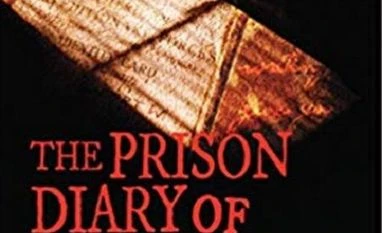
The Prison Diary of an Ordinary Man
M Chandrakumar (Translated
by Raya Chellappa)
Westland Books
Rs 399, 269 pages
The prison is not merely a place where those on the wrong side of the law serve their sentences. It is a sort of sanctuary where one comes to follow a strict regimen, a disciplined life defined by regular hours and the provision of basic, if poor, facilities. On the other hand, it is also a place where one meets characters who have broken civil pieties and experienced the most intense hatreds.
Mr Chandrakumar brings both these aspects out. He learns in prison that the police beatings have left him fragile — his skin peels off and his body feels tried all the time. Yet, he refuses to sit in a corner for fear that he would get used to a life of no work. He works in the kitchen and learns the ropes of surviving in prison without compromising his dignity.
He also relates accounts of other prisoners. Two cases stand out, those of Kullaiyan and of Constable Alluri, both of whom had killed their lovers. Mr Chandrakumar describes the circumstances of these cases with a sometimes-disturbing eye for detail, meticulously reporting on the violence involved. But the larger focus remains on the psychological; Mr Chandrakumar has an arguably commendable tendency to report without judgement.
In spite of the grimness, Prison Diary is also hopeful for its chronicling of the strong bonds that form under the direst conditions. Each of the characters Kumar encounters in prison is described in detail, with his back story, his arrival in jail, and his eccentricities filling up the pages.
The most interesting portions of the book focus on the curious moral code that develops among prisoners when it comes to the bare necessities such as food or a beedi. A prisoner learns to share a solitary beedi with every member of his cell, and those who are on kitchen duty are expected to keep extra food for anyone who happens to arrive outside of normal hours. Mr Chandrakumar learns the high value placed on bathing in the prison, since the feeling of water on the body cleans away not just dirt but psychological scars.
Today, Mr Chandrakumar is an elderly auto-driver in Coimbatore who lives a life of relative anonymity. Visaranai, the film based on his life, became an international sensation after its release at the Venice Film Festival. But Mr Chandrakumar, transformed by his experiences, shuns celebrity and hopes that the message of his books would force a change in the system of justice delivery in this country.
At a time when senior judges as well as members of the government have spoken about the need to reform the justice system, Prison Diary is an important testament to the urgency of reform. The story of the most ordinary man who found himself stuck in the brutal wheels of justice, it is a frightening but ultimately uplifting saga of fate and perseverance.