Art on a Budget
Dilli Haat brings art closer to the aam aadmi
Kishore Singh At a time when all eyes are on the Budget, what should concern the art fraternity is a continued lack of government funding or patronage that has collapsed over the last decades. It is time taxpayers asked some questions. What happened to the allocation of 2-3 per cent of the Budget of any new government building on art? What is the state of funding of our museums and why have there been no new acquisitions? What is the point of honouring artists with Padma Shris and Padma Bhushans if their works are not acquired for museums or other public institutions? What is the allocation - if any - for new museums and spaces for culture at the Centre and in the states? Are they being planned for the government's smart cities (and can cities be "smart" without art and culture)?
Over the years, infrastructure that supports and promotes art has emerged - as, indeed, it should - in the private sector, but as a consequence the state has visibly abdicated its responsibility. A paucity of funds, while understandable, does not explain the government's reluctance to build meaningful relationships with the private sector. It could, for instance, allot land for privately-funded museums at concessional rates, lower taxes and, in fact, offer incentives, for those building collections of art or offering meaningful patronage to artists, remove stultifying excise on the import of works of Indian art and antiques held overseas being brought back into the country, create precedents and relevant regulations for those wanting to donate works of art to museums or - as in the West - sponsor galleries within existing museums (or their extensions, which can be funded by those making the "donations") named after their donors, a small ego boost that will hugely supplement the corporate or private sector's ability to support a national arts programme. Indeed, why can't art be included within the ambit of CSR activity?
Even if art is (wrongly) considered elitist, the government could begin at a level to bring the
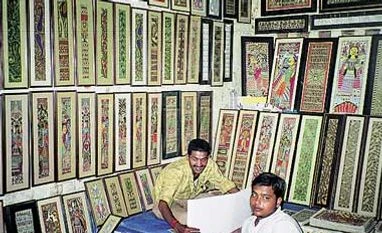
aam aadmi closer to the traditional and accessible - the Dilli Haat project in Delhi and the Surajkund Crafts Mela are pointers to an interest in the area. Use the Metro stations to display art that concerns everyone, whether folk or tribal. An interest in graffiti can already be experienced across our neighbourhoods with street art becoming increasingly popular, if only to hide ugly buildings. So, encourage equally inexpensive but relevant "
bharatiya" art - Warli, Madhubani, Gond, Pichwai, Phad, Patachitra, Kalighat, et cetera - that can be displayed as pop-ups at different public points in our cities, or as permanent collections, which will boost the prestige and earnings of millions of our traditional artist communities. Why not have museums for textiles or for indigenous craft forms? People are looking for diversions and entertainment - why not channel that energy and grow the prestige of Indian artisans at the same time?
Remember the heyday of the 1980s with the Festivals of India that were held in the UK and France, in USA and erstwhile USSR, and the explosion of soft power that was generated as a consequence for Indian modern and folk art, craft and textile traditions, food and Bollywood, all of it subtly boosting India's rising tryst with development and technology? Why not tap into the same sentiment, only, this time, the mood needs to be changed within the country, too. India is at a crossroads but its temper is far from upbeat. The government could do worse than tap into an emotion that will help it combat its trysts with nationalism that have left a sour taste in the mouths of many and a nation deeply riven over the proprieties of right and wrong.
Kishore Singh is a Delhi-based writer and art critic. These views are personal and do not reflect those of the organisation with which he is associated

 "Art on a Budget")


 Connect with us on WhatsApp