Barolo: The king of wines

The winemaking area of Piedmont ("at the foot of the mountains") is located around the towns of Asti and Alba
weekend
Who are the top Barolo producers? The answer has many lists, depending upon whether you are a traditionalist or follow the more modern style of Barolo winemaking
Alok Chandra
4 min read Last Updated : Aug 09 2019 | 11:28 PM IST
More than one wine has claimed that it is “The King of Wines” — indeed, Tokaji (pronounced “tokai” — the famous sweet dessert wine from Hungary) bills itself as “The Wine of Kings — The King of Wines” and has a lot of history to back up that claim.

But it’s Barolo, made from Nebbiolo grapes in the Piedmont region of Northwest Italy (note that the “king” comes before the “wine”) that is better known, having been a favourite of the noble houses of Turin and the royal house of Savoy (rulers of Italy for nearly 100 years, up to 1946) since the 1850s.

The winemaking area of Piedmont (“at the foot of the mountains”) is located around the towns of Asti and Alba. The area produces three principle red wine grapes: Barbera and Dolcetto (each used to make two separate wines, also called “Barbera” and “Dolcetto”) and Nebbiolo, with the same grape used to produce two wines: Barolo and Barbaresco.

The difference between Barbaresco and Barolo is beautifully described in a short video that can be accessed at winefolly.com/review/difference-barolo-vs-barbaresco/. Essentially, the specific grape-growing areas are different, with different soils: that in the Barbaresco vineyards is richer, producing softer wines, while Barolo wines tend to be more concentrated and tannic and hence longer-lasting.

Barolo requires ageing for at least 38 months in wooden barrels, with a “Riserva” requiring another two years; because of the high tannins, Barolos should not be drunk till they are at least five years old, and of course must be decanted for at least one-two hours.

The wine itself is powerful, full-bodied and “mercilessly tannic” but with a colour more reminiscent of a Pinot Noir than a Bordeaux. Classically the wine has aromas of red fruits, tar and roses that fool you into thinking that this is a light wine — this changes once you sip, as the wine has complex tastes of leather, tar, cherry, coffee and earthy flavours that change with time.

Who are the top Barolo producers? The answer has many lists, depending upon whether you are a traditionalist or follow the more modern style of Barolo winemaking (or incorporate the best of both).

Who are the top Barolo producers? The answer has many lists, depending upon whether you are a traditionalist or follow the more modern style of Barolo winemaking

The traditional Barolo style produced wines that were extremely tannic, were aged in large vats of Slovenian oak (500-1,000 litres), and could not be touched before 10 years. However, the wines are long-lasting and continue to improve with age. Producers in this list include the likes of Giacomo Conterno, Bruno Giacosa, Giuseppe Mascarello and Rinaldi.

The “modernists” started making Barolos that were less tannic, and aged them in barriques (oak casks of 225 litres) that enabled the wine to be drinkable much earlier and as such more in tune with younger wine consumers. Proponents of this style include Roberto Conterno, Gaja, Renato Ratti and Paolo Scavino.

A few winemakers incorporate the best of both styles in their wines — these include Vietti, Ceretto, Marchesi de Barolo, Pio Cesare, Prunotto and Michele Chiarlo.

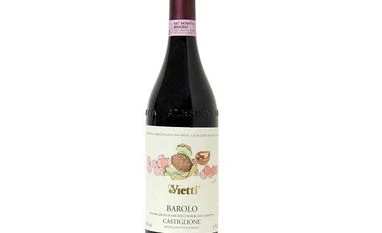
While it’s unlikely that many wines from the top producers will be available in India soon, one that I’ve tried and liked is the Vietti Barolo Castiglione 2014 (91 points Wine Spectator, Rs 10,655 in Bengaluru). The wine has aromas of berries and cherries with some pomegranate, wild flowers, tobacco and spices, and a layered taste of cherries, fruit and tannins, and a long, lingering aftertaste. Probably one of the better-value Barolos available.

Saluti (as the Italians also say).

Alok Chandra is a Bengaluru-based wine consultant

One subscription. Two world-class reads.

Already subscribed? Log in

Subscribe to read the full story →
*Subscribe to Business Standard digital and get complimentary access to The New York Times

Smart Quarterly

₹900

3 Months

₹300/Month

SAVE 25%

Smart Essential

₹2,700

1 Year

₹225/Month

SAVE 46%
*Complimentary New York Times access for the 2nd year will be given after 12 months

Super Saver

₹3,900

2 Years

₹162/Month

Subscribe

Renews automatically, cancel anytime

Here’s what’s included in our digital subscription plans

Exclusive premium stories online

  • Over 30 premium stories daily, handpicked by our editors

Complimentary Access to The New York Times

  • News, Games, Cooking, Audio, Wirecutter & The Athletic

Business Standard Epaper

  • Digital replica of our daily newspaper — with options to read, save, and share

Curated Newsletters

  • Insights on markets, finance, politics, tech, and more delivered to your inbox

Market Analysis & Investment Insights

  • In-depth market analysis & insights with access to The Smart Investor

Archives

  • Repository of articles and publications dating back to 1997

Ad-free Reading

  • Uninterrupted reading experience with no advertisements

Seamless Access Across All Devices

  • Access Business Standard across devices — mobile, tablet, or PC, via web or app

Topics :winesWeekend Reads

Next Story



