5 questions that Vijay Mallya's settlement offer raises
Vijay Mallya has offered to settle dues of Rs 9,000 crore by paying Rs 4,000 crore, less than half of what he owes to a consortium of banks
Shishir Asthana Mumbai Vijay Mallya, chairman of defunct Kingfisher Airlines has finally come to the negotiation table and is willing to settle all his claims for Rs 4,000 crore. The amount is less than half the Rs 9,000 crore he owes to a consortium of banks, which contains nearly Rs 6,963 crore in borrowed principal. Banks have asked the Supreme Court for time to consider the proposal.
Malllya earlier this month left India for the UK after striking a deal with Diageo Plc to step down from the chairmanship of United Spirits Ltd. In return, the UK-based liquor major agreed to pay him about Rs 500 crore over a five-year period, on condition that Mallya would adhere to a global no-compete clause with the exception of the UK.
While it’s good that Mallya is willing to settle the issue of his dues – he had even given banks a personal guarantee – here are five questions about the whole episode that immediately come to mind.
1. Is Mallya buying time by making such offers to banks? Earlier, it had been reported that Mallya had offered Rs 2,000 crore as a settlement amount, but when the bankers rejected the offer he increased it to Rs 4,000 crore. Clearly if Mallya can jump in increments of Rs 2,000 crore he has the money and is playing with the banks on who will blink first.
2. If he had the money, why did Mallya leave the country? It seems money is not the only problem Mallya is facing. He has been pulled up by the court in a money laundering case, too. Irrespective of the fact that he repays the banks, he might face punishment under provisions of Prevention of Money Laundering Act.
3. Why did Mallya not pay salaries of his employees? Nor did KFA pay forward the income tax deducted at source from employees, which was the first trigger for the airline’s accounts being frozen. It was comparatively a smaller amount and he could have taken an honourable exit.
4. Will the bankers get away scot-free by recovering at least part of the money owed them? Banks have lent at irrational valuations. They are partly to be blamed for the mess they created for themselves. Will a settlement mean that roles of all those involved in clearing the loans will be settled too?
5. Finally, questions on the recovery process will be raised. In the case of Kingfisher Airlines, around 81 hearings have already taken place since 2013 but the recovery process has not yet started. Bigger companies with their legal power and financial muscle are able to delay recovery proceedings which a retail borrower cannot.

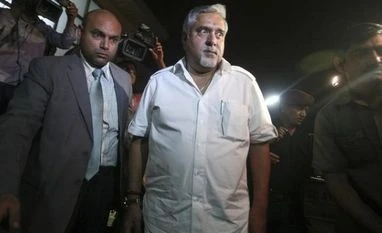 "5 questions that Vijay Mallya's settlement offer raises")


 Connect with us on WhatsApp