
Air fares not exorbitant, change according to market forces: DGCA to HC
The regulator took the stand in an affidavit filed in response to a PIL seeking capping of air fares charged by airlines in the country
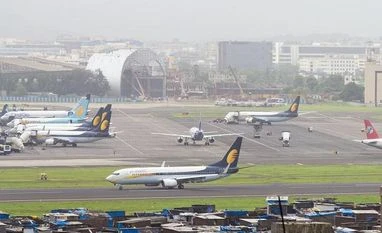 "Air fares not exorbitant, change according to market forces: DGCA to HC")
Explore Business Standard

Associate Sponsors
Co-sponsor
The regulator took the stand in an affidavit filed in response to a PIL seeking capping of air fares charged by airlines in the country
Civil aviation regulator, DGCA, on Friday told the Delhi High Court that airlines in the country are not charging fares that are unlawful, discriminatory or exorbitant and the ticket prices change according to market forces.
The Directorate General of Civil Aviation (DGCA) also told a bench of Chief Justice Rajendra Menon and Justice V K Rao that under the Aircraft Act it was not empowered to make "financial regulations" with regard to air fares.
The regulator took the stand in an affidavit filed in response to a PIL seeking capping of air fares charged by airlines in the country.
The plea by consumer rights activist Bejon K Misra has alleged that the authorities, including DGCA, were acting as "silent spectators" to the "arbitrary" fixing of fares by the airlines.
Denying the allegation, DGCA said in its affidavit that "change in air fares was dynamic".
"Fare increase with increase in demand for seats on any given flight and as a flight's available seat inventory diminishes, lower bucket fares consequently may no longer be available.
"It is denied that air fares charged by the airlines are unlawful and discriminatory and that the respondents (DGCA and the Centre) have shirked their responsibility," the aviation regulator said while urging the court to dismiss the plea.
The court took the affidavit, filed by advocate Anjana Gosain, on record and listed the matter for further hearing on October 9.
Explaining how the fares are calculated, DGCA in its affidavit said that airlines adopt a dynamic pricing mechanism in which prices are changed often depending on the day of a week, time of day, numbers of days before the flight and other factors like number of seats and departure time.
The regulator also said that "prevailing airline practices with regard to the type of fares offered and their charging method by private and government owned airlines are same and in line with practices followed globally".
The DGCA also said that "petitioner's averments regarding charging of exorbitant airfares by private airlines have not been substantiated" as the prices charged by them do not exceed the fare buckets (levels) displayed on their website.
Misra in his plea has claimed that capping of air fares was necessary as airlines often charge more than 10 times the base rate when there is a shortage of seats.
In support of his claim, he has referred to the incident of IndiGo airline cancelling a large number of its flights after some of its A320N aircraft were grounded due to engine trouble.
Misra has alleged that due to the cancellation of these flights, IndiGo passengers had to book tickets at the last minute on other airlines at "exorbitant prices".
He has sought that airlines should not be allowed to charge more than a justified hike in the advance booking fare.
The petitioner has said that capping of air fares or guidelines to regulate them are necessary to ensure "greater transparency and accountability" and "discourage profiteering and undue enrichment in the business of civil aviation".
First Published: Aug 17 2018 | 5:59 PM IST

