The growing popularity of bitcoin across the world is spurring demand in an unexpected industry — semiconductors. In response, global chipmakers are re-purposing their plants to make chips which can power the high processing speeds required by bitcoin servers. They are also moving to smaller but more powerful nanometer chips which fetch a higher price tag.
The result is that other industries such as car makers and telecom device manufacturers face a shortage that is likely to be prolonged, both across the globe and in India.
Estimates by Applied Materials, the leading manufacturer of equipment for chipmakers, indicate that it could take between 24-30 months, once new factories start production, for supply to align with demand.
The shortage began about a year ago. Hari Om Rai, chairman of Lava International which manufactures mobile devices, said the shortage was proving longer than expected. “We had thought it would be over after a year but now we expect it to go on for another six months,” he said.
Rai said the shortage is creating havoc for mobile device manufacturers who are getting less than 30-40 per cent of the normal requirement of chips.
It’s not merely that demand from bitcoin players has intensified the shortage. It’s also, as Rai pointed out, that the sudden increase in demand for phones (and therefore chips) was not anticipated post-lockdowns. The shortage is more acute for mass-produced, non-leading edge, chips which offer lower margins. As the Indian CEO of a global leading chip design company which has chips manufactured through OEMs for the mobile devices industry, said: “Mobile devices are the only product where you require cutting edge (10-15 nanometers) chips as well as chips which are low tech (60-60 nanometers).”
“For instance, the integrated circuits for power management and display communication are commoditised while those for the memory and central processing unit are high tech. The shortage is in the non-leading tech chips. Without them, the phones cannot be made.”
He said the relatively larger chip makers are repurposing capacity to make high-end chips and he is asking mobile device players to buy the high nanometer chips from smaller manufacturers or through traders. This led to disruption.
Bitcoin has provided chipmakers with a new opportunity in the past year. “What we are seeing is the repurposing of existing chip capacity to immediate action areas like Bitcoin servers which require cutting edge chips and they are ready to pay top dollars,” said Applied Materials India country president Srinivas Satya.
On the other hand, said Satya, automakers in India and elsewhere which follow just-in-time operations to reduce costs, have asked chipmakers to trim their production as the sale of vehicles and production levels have plummeted. In response, chipmakers shifted this capacity to make chips for bitcoin servers. This was particularly advantageous for them because many of the chips required in the micro controllers used by automakers are not cutting edge and therefore do not fetch the kind of margins as the high tech chips used for bitcoin farms.
An Indian auto firm executive said: “We require semiconductors now as we push up production. But the feedback is clear — it will take at least a year before they can shift back capacity or before new capacity starts firing.”

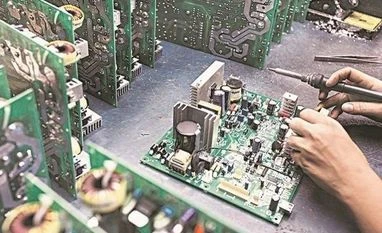 "Car, phonemakers may have to wait longer for chips, thanks to bitcoin")












 Connect with us on WhatsApp