Cipla calls for a re-look at pharma regulations in India
New debate also emerging on stringent guidelines making clinical trials more strictly regulated
BS Reporter Bangalore With on the ongoing debate on tough regulations in the pharmaceutical industry creating concern in the sector, Chairman of Cipla Ltd Yusuf Hamied on Monday called for a new pragmatic drug licensing policy in the country to cater to the needs of the Indian population.
He said provisions to manufacture generic drugs must be protected until the country becomes technologically advanced to develop innovative life-saving drugs and take on global drug majors.
“It is not a level playing field, yet. Even today 99 per cent of all the drugs invented
in the globe take place in developed markets,” Hamied said.
“I had told the Indian Government to give us time. By about 2025, I feel India would be on technological parity with the developed countries and then we ourselves would’ve said that we are ready to take them on.”
“As a scientist, I firmly believe that innovation must be rewarded. However, I have always been against monopoly as it leads to high prices.
Here in India, we need free prices, not monopoly,” Hamied said.
Hamied’s call for a re-look at existing regulations in the pharmaceutical sector have been echoed by other biotechnology majors in the country, as well.
On Friday, Biocon too accused Switzerland-based Roche of trying to create a monopoly situation for its own trastuzumab, used for the treatment of HER-2 positive breast cancer.
Roche secured an injunction against India’s largest publicly-held biotechnology company, Biocon, preventing it from claiming its new drug is a biosimilar of the Swiss drug giant’s innovator drug, Herceptin.
Biocon’s drug Canmab, jointly developed with Mylan is priced at a 25-30 per cent discount to the new price of Roche’s Herceptin which in turn was slashed by half in anticipation of the biosimilars that hit the market early this year.
A new debate is also emerging on the stringent guidelines making clinical trials more strictly regulated in the country.
India is the world’s largest generic drugmaker and leading exporter of these product versions that are priced at much lower rates than the innovatior drug and hence more affordable in emerging markets.
However, an amendment passed by the Indian Government in March 2005 reintroduced the patent system and as a result, domestic drug makers have been prevented from replicating patented drugs invented after the year 1995.
While the law found much favour with the international community, domestic drug makers were restrained from manufacturing generic drugs - a provision they enjoyed from 1972 until the 2005 amendment.
“That was selective genocide. The impact of what the Government did in 2005 will be felt by 2015,” Hamied said sounding a note of caution.
India requires a simple, pragmatic licensing policy that ensures that vital, life-saving drugs are available at affordable prices in future and none are denied medication, Hamied said.
“This, to me, is a basic human right,” he told reporters at the launch of the an education programme to promote the study of chemistry in the country.
Hamied has contributed Rs 8 crore to support a programme organised by the Royal Society of Chemistry, a non-profit organisation promoting chemistry education.

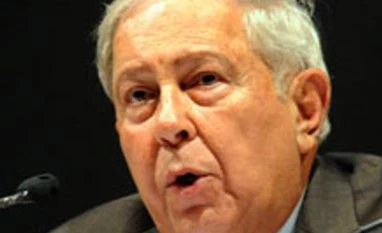 "Cipla calls for a re-look at pharma regulations in India")

