Decline in raw material costs by 3.5% drives Apollo Tyres' margins

Weak demand, high competition could weigh on stock in near term
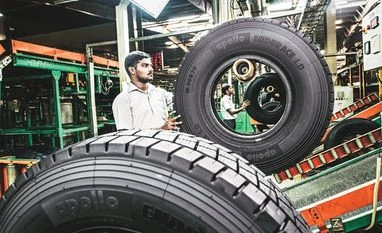
Apollo strives to build brands
Ram Prasad Sahu
2 min read Last Updated : Feb 06 2020 | 12:32 AM IST
Apollo Tyres recorded a better-than-expected performance in the December quarter (Q3), notwithstanding pressure on the demand front. The gains came in largely on the operational front, with margins being aided by a fall in raw material costs. 

The company posted an operating profit margin of 12.1 per cent, which was 80-120 basis points (bps) higher than what the Street had estimated. It indicated that raw material costs fell 3.5 per cent in the quarter — a trend expected to continue this quarter. 

While natural rubber prices have been steady, a fall in crude oil prices should help bring down raw material costs of derivatives such as carbon black and synthetic rubber. Rubber accounts for 40 per cent of expenses.

Price decline in the raw material basket in the current quarter is expected to be 1.5-2.0 per cent. With volume growth remaining a challenge, this comes as a shot in the arm. 


In Q3, volumes in the domestic business — which account for over 60 per cent of revenues — fell 13 per cent. This led to a decline in consolidated revenues to the tune of 7 per cent. 

While volumes in the replacement segment continue to be strong — especially in the passenger vehicles business — it is supplies to auto makers which has been weak. Volumes in the truck and passenger vehicle business segments continue to be weak with a decline of 35-50 per cent. Revenue contribution from supplies to auto makers which is normally around 30 per cent has now dipped to 20 per cent.

Demand in Europe has also been weak impacting its revenues from that geography. The company however has been able to grow at a higher pace than the market gaining market share. Improving product mix with a higher share of ultra-high performance tyres should aid in revenue and margin growth. Margins in the business should also improve as the Hungary plant scales up over the next couple of years. Near term volume gains could also come from lower imports into European market from China due to Coronavirus. 

While the stock gained over 4 per cent in trade post the results, the weakness in demand and higher competition are expected to weigh on stock prices in the near term.

One subscription. Two world-class reads.

Already subscribed? Log in

Subscribe to read the full story →
*Subscribe to Business Standard digital and get complimentary access to The New York Times

Smart Quarterly

₹900

3 Months

₹300/Month

SAVE 25%

Smart Essential

₹2,700

1 Year

₹225/Month

SAVE 46%
*Complimentary New York Times access for the 2nd year will be given after 12 months

Super Saver

₹3,900

2 Years

₹162/Month

Subscribe

Renews automatically, cancel anytime

Here’s what’s included in our digital subscription plans

Exclusive premium stories online

  • Over 30 premium stories daily, handpicked by our editors

Complimentary Access to The New York Times

  • News, Games, Cooking, Audio, Wirecutter & The Athletic

Business Standard Epaper

  • Digital replica of our daily newspaper — with options to read, save, and share

Curated Newsletters

  • Insights on markets, finance, politics, tech, and more delivered to your inbox

Market Analysis & Investment Insights

  • In-depth market analysis & insights with access to The Smart Investor

Archives

  • Repository of articles and publications dating back to 1997

Ad-free Reading

  • Uninterrupted reading experience with no advertisements

Seamless Access Across All Devices

  • Access Business Standard across devices — mobile, tablet, or PC, via web or app

Topics :Apollo Tyres

Next Story



