Faster recovery in CV segment remains key for Ashok Leyland stock

Despite increase in freight rates, operator profitability yet to reach normal levels
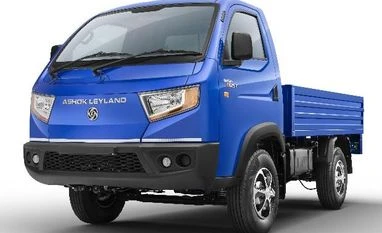
Ashok Leyland 'BADA Dost'
The management indicated that cost savings, which stood at Rs 550 crore in 2019-20, would continue in the current financial year
Ram Prasad Sahu Mumbai
2 min read Last Updated : Nov 15 2020 | 11:15 PM IST

Don't want to miss the best from Business Standard?

The Ashok Leyland stock has gained 25 per cent over the past month on expectations of a gradual recovery in the commercial vehicle segment. The gains in the near term are likely to sustain, given better-than-expected July-September quarter results, higher margins, and falling debt levels.

The near-term trigger is the operating performance in the second quarter. Even as revenues declined 28 per cent, led by a 33 per cent fall in volumes, operating profit margins at 2.8 per cent were much higher than the 0.5 per cent that the Street had anticipated.

While higher realisations helped at the top line level, improved gross margins and lower employee costs led to the beat on the margin front. The higher margins in the quarter led to a slight increase in profitability estimates by brokerages for 2021-22 (FY22). The management indicated that cost savings, which stood at Rs 550 crore in 2019-20, would continue in the current financial year. This could offset the pressure somewhat on account of the collapse in volumes.

The Street, however, will keep an eye on the pace of recovery over the next few quarters. The company highlighted that enquiries and demand are improving across segments and the second half of the financial year will see strong rebound. The key triggers include traction in tippers and light commercial vehicles, improved finance support, and economic recovery, according to analysts at Prabhudas Lilladher.

Though freight rates have increased 10 per cent in October and fleet operator profitability is better, analysts at Nomura Research believe there is need for a further 10 per cent increase in freight rates to bring operator profitability to normal levels. They expect the company’s volumes to recover, with 2020-21 (FY21) fall of 33 per cent. The company reported 66 per cent decline in volumes in the first half of FY21. Analysts also expect the company’s market share to improve on the back of new launches as well as demand for higher tonnage trucks.

While most brokerages expect strong volume recovery in FY22 on the back of a weak base and economic rebound, investors should await consistent freight demand growth as well as the impact of the implementation of the dedicated freight corridor (worries of shift to rail freight) before considering the stock. Any shift in favour of rail freight could impact truck demand.


One subscription. Two world-class reads.

Already subscribed? Log in

Subscribe to read the full story →
*Subscribe to Business Standard digital and get complimentary access to The New York Times

Smart Quarterly

₹900

3 Months

₹300/Month

SAVE 25%

Smart Essential

₹2,700

1 Year

₹225/Month

SAVE 46%
*Complimentary New York Times access for the 2nd year will be given after 12 months

Super Saver

₹3,900

2 Years

₹162/Month

Subscribe

Renews automatically, cancel anytime

Here’s what’s included in our digital subscription plans

Exclusive premium stories online

  • Over 30 premium stories daily, handpicked by our editors

Complimentary Access to The New York Times

  • News, Games, Cooking, Audio, Wirecutter & The Athletic

Business Standard Epaper

  • Digital replica of our daily newspaper — with options to read, save, and share

Curated Newsletters

  • Insights on markets, finance, politics, tech, and more delivered to your inbox

Market Analysis & Investment Insights

  • In-depth market analysis & insights with access to The Smart Investor

Archives

  • Repository of articles and publications dating back to 1997

Ad-free Reading

  • Uninterrupted reading experience with no advertisements

Seamless Access Across All Devices

  • Access Business Standard across devices — mobile, tablet, or PC, via web or app

Topics :Ashok LeylandQ2 resultsautomobile industry

Next Story



