Fines on banks should be only for naming and shaming: K C Chakrabarty
It should not become a system where the wrongdoers get away only by paying the monetary fine, says K C Chakrabarty
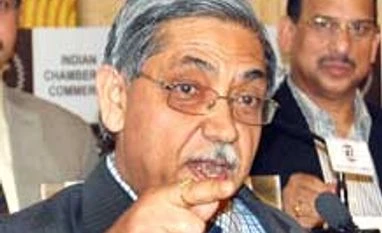
Press Trust of India Mumbai In the midst of a growing clamour for steeply hiking penalties on banks for any wrongdoing, Reserve Bank Deputy Governor K C Chakrabarty today took a contrary stance, saying the fines are adequate and should be used only for "naming and shaming" the offenders.
"I feel whatever law the Parliament has framed, it is adequate and I don't find any problem and if I find any problem, I have to go back to Parliament and say that there is a need to change the law and at present, we don't feel that," Chakrabarty told reporters on the sidelines of the Skoch banking event here.
Chakrabarty, who is known for speaking his mind on various issues candidly, added that the purpose of the fine should be only for "naming and shaming" the offenders.
He said it should not become a system where the wrongdoers get away only by paying the monetary fine.
The views of the Deputy Governor incharge of banking supervision is not in consonance with that of Department of Financial Services secretary Rajiv Takru who has been advocating an increase in the Rs one crore per violation fine.
This was ever since the Cobrapost expose allegedly showed part of the banks and financial institutions breaching KYC and AML (anti-money laundering) norms.
Takru also mentioned yesterday that the fine "could be something like Rs 500 crore".
RBI Governor D Subbarao had earlier called the Rs one crore penalty as "peanuts".
When asked for a reaction on the same, Chakrabarty quipped, "peanut doesn't mean it is inadequate," and added that there is no need at present if the Parliament has a law.
Chakrabarty, however, indicated that there have been some consultations on the aspect of fines, but did not elaborate.
The deputy governor, who started his career as a commercial banker, said banks should not be fined indiscriminately.
He said if it is so done, banks which have profit making as an objective could start passing the fines to their customers in the form of higher fees and interest rates.
On the issue of showcause notices issued to banks found to have indulged in wrongful practices in RBI audits done following the Cobrapost expose, Chakrabarty said some of the banks have replied back with explanations while some are asking for more time.
He added that the corrective measures on the policy front have already started while the individual explanations is taking time.
On a question on possible fudging of balance sheets by banks, Chakrabarty said though there could be some deficiencies, but the system as a whole cannot be blamed.
The RBI is in touch with the Institute of Chartered Accountants of India in its efforts to address the issues, he added.
He said the new bank licenses are being given only to strengthen the financial inclusion drive and those who cannot further the agenda should not apply for licenses.
Chakrabarty said a majority 140 of the 231 recommendations of the M Damodaran Committee on customer services have been implemented now.
The ones which have not been implemented are stuck with various bodies including the Indian Banks Association, the Government and the RBI, he said.

 "Fines on banks should be only for naming and shaming: K C Chakrabarty")


 Connect with us on WhatsApp