Fuel price hike forces UP power plants to improve efficiency for viability

UP Utpadan Nigam saves Rs 1,100 crore by reducing cost of production
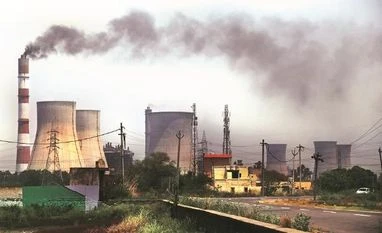
power plant
A few thermal power plants are currently being developed in the public and private sectors alike, which would further boost the availability of power in the state in near future
Virendra Singh Rawat Lucknow
2 min read Last Updated : Jun 08 2019 | 11:06 PM IST
The hike in prices of energy commodities, including oil and coal, over the past few quarters has compelled state-run thermal power plants in Uttar Pradesh to improve efficiency in order to ensure commercial viability and sustainability.

In the wake of rising costs and stiff competition arising out of the ‘merit order dispatch’ system, UP Utpadan Nigam had drawn a strategic roadmap to improve functioning of its thermal power plants against various parameters, including Plant Load Factor (PLF), auxiliary consumption, fuel consumption and heat rate, so as to pare the cost of thermal power generation during 2018-19.

Merit order dispatch is a mechanism of ranking available energy sources, especially electrical energy, based on ascending order of price and energy generated, thus giving advantage to lower cost of production and higher PLF.

According to UP energy minister Shrikant Sharma, the Nigam had saved over Rs 1,100 crore by reducing the cost of production by Rs 0.38 per unit to Rs 3.11 per unit in 2018-19.

Currently, the total installed capacity of thermal power plants run by the Nigam in Harduaganj, Pariccha, Obra and Anpara is more than 5,500 megawatt (MW). Private sector power plants have an installed capacity of nearly 6,360 MW at Anpara, Roja, Bara and Lalitpur.

These plants provide about 10,000 MW of power to the state. The remaining 7,000 MW demand is met through the Centre. The state also imports about 3,000 MW power from other sources, including energy exchange and bilateral agreements. This way, UP is supplying more than 20,000 MW of power in the current summer season.

A few thermal power plants are currently being developed in the public and private sectors alike, which would further boost the availability of power in the state in near future.

One subscription. Two world-class reads.

Already subscribed? Log in

Subscribe to read the full story →
*Subscribe to Business Standard digital and get complimentary access to The New York Times

Smart Quarterly

₹900

3 Months

₹300/Month

SAVE 25%

Smart Essential

₹2,700

1 Year

₹225/Month

SAVE 46%
*Complimentary New York Times access for the 2nd year will be given after 12 months

Super Saver

₹3,900

2 Years

₹162/Month

Subscribe

Renews automatically, cancel anytime

Here’s what’s included in our digital subscription plans

Exclusive premium stories online

  • Over 30 premium stories daily, handpicked by our editors

Complimentary Access to The New York Times

  • News, Games, Cooking, Audio, Wirecutter & The Athletic

Business Standard Epaper

  • Digital replica of our daily newspaper — with options to read, save, and share

Curated Newsletters

  • Insights on markets, finance, politics, tech, and more delivered to your inbox

Market Analysis & Investment Insights

  • In-depth market analysis & insights with access to The Smart Investor

Archives

  • Repository of articles and publications dating back to 1997

Ad-free Reading

  • Uninterrupted reading experience with no advertisements

Seamless Access Across All Devices

  • Access Business Standard across devices — mobile, tablet, or PC, via web or app

Next Story



