The pandemic has prompted Marriott International, the world’s largest hotel operator, to get into a clutch of new areas.
These range from delivering food at doorsteps and catering for virtual corporate events to providing work spaces. Neeraj Govil, senior vice-president, South Asia, Marriott International, tells Shally Seth Mohile that these ancillary businesses helped the firm deepen its engagement with stakeholders. They have offset the decline in the core food & beverages (F&B) business. Edited excerpts:
In terms of bookings, how has August been against the previous months?
June quarter was incredibly tough for the hospitality sector. We have seen some encouraging signs in the past two months. The pace of booking is picking up. Part of it has to do with the easing of travel restrictions and people coming to grips with the situation. Given the magnitude of the crisis, all segments have been impacted but have started to look up now. The entire gamut of tourism and travel has to adopt a collaborative approach and we have to inspire trust in our brands.
Three months back, 55 of our 125 hotels in India were shut. Today only eight are shut. We have started seeing some of the pent up demand. Many firms are realising the importance of physical presence and face-to-face meetings. What we saw in the past quarter was the special purpose business, be it Vande Bharat or quarantine-related business. What we are seeing now is an increase in bookings for short-term travel and staycations that we rolled out recently. Resorts that are at a driving distance from metro cities are seeing a pick up, too.
Given an unprecedented drop in revenues, how are you managing costs and re-imagining business?
We’ve had to press the re-set button to bring down fixed costs and work on variable costs. We had to look at means of re-purposing the business as we are catering to a significantly lesser number of people. As we look at more contactless mode of operations with amplified use of tech, we may not need the kind of service we were offering before. As a result, we are recasting offerings and re-looking manpower requirements.
It’s also about utilising the existing area better to save costs. For instance, we have reached out to firms and have created spaces where employees can work for a fixed number of hours for a few days in a week.
Marriott and many large hotel chains have lately sharpened focus on the ancillary business. How’s the response?
The focus on ancillary revenues has really worked for us. The MoW (Marriott on Wheels) (food delivery brand) has done phenomenally well. It’s an example of a hotel having to reinvent itself. It wasn’t a segment we were really focused on. But it is now going from strength to strength as customers are very comfortable ordering because of hygiene. The menus have been meticulously designed and have seen good uptick in cities such as Mumbai, Delhi, and Bengaluru. Our revenues in this space have grown almost 400 per cent since we launched. There is a lot of demand, especially during weekends or during festivals. Besides delivering ourselves, we have partnerships with Swiggy and Zomato. More tie-ups will soon come to fruition.
How do you plan to strengthen it further?
We are catering for corporate functions now. If someone is having a virtual meeting with 20-25 participants, all of them get a goody box at the same time so that they can have a moment together. It’s something we have pushed hard to build and we will continue with this even after full recovery takes place. This period has been about deepening our relationship with all the stakeholders in the business — be it customers, owners, partners, or employees.
To what extent has home delivery helped in compensating the revenue loss in the F&B segment, which constitutes half the revenue for five stars?

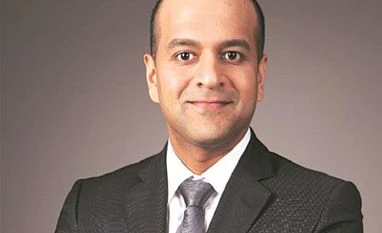 "Had to press re-set button to prune fixed, variable costs: Marriott's Govil")










 Connect with us on WhatsApp