Hero to ride first in-house developed motorcycle
Priced at Rs 53,300 (ex showroom, Delhi), the bike has been built on a completely new chassis and frame
Ajay Modi New Delhi Five years after its split with Japanese partner Honda, the country’s largest two-wheeler maker, Hero MotoCorp, has launched its first in-house developed motorcycle, the new Splendor iSmart 110.
Priced at Rs 53,300 (ex-showroom, Delhi), it has been built on a completely new chassis and frame. Though work on the new bike started a couple of years earlier, it has come out of the company’s new Jaipur-based research and development unit, the Centre of Innovation and Technology, inaugurated this March.
“It is a fulfillment of dreams. The first internally designed and developed motorcycle has come out of our R&D centre. There is a huge amount of work going on at the centre and results will be seen over next several months,” said Pawan Munjal, chairman, managing director and chief executive officer at Hero, which enjoys a 39 per cent share in the domestic two-wheeler market.
Meeting BS-IV emission standards, it is loaded with an array of features and promises better mileage. Splendor is the largest selling motorcycle brand from the company and 28 million units have been sold so far. Launched in 1994, the Splendor has received many facelifts and refreshes.
Munjal said the company expected higher sales this year, as the country is predicted to receive good rainfall after two deficit years. “The impact of better rain will be seen in the second half of the year,” he said. The company, which sells a little over 6.4 million two-wheelers every year, gets half its volume from rural markets, under stress for the past two years.
Export
Hero had, after its split with Honda, set a target of selling 10 million units a year by 2016, with exports bringing a tenth of volumes. Later, the target date was advanced to 2020. Last year, export was about three per cent of the 6.63 mn units sold. “The past two-three years did not go as per plans in the export market. A lot of markets are oil-based and a decline in oil prices, currency depreciation and high inflation has impacted demand. We have not changed the 2020 targets.
But, it makes sense to sit down and review these numbers,” said Munjal. The company is entering new markets like Nigeria, Argentina and Mexico for exports.

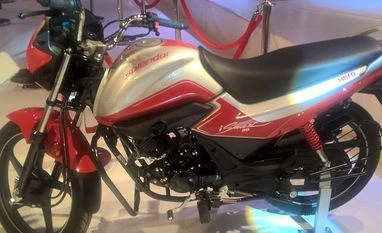 "Hero to ride first in-house developed motorcycle")


 Connect with us on WhatsApp