High-flying SpiceJet loses some of its speed as costs rise, yields weaken

What belied hopes of the Street was the muted increase in yields at 1.9 per cent, compared to the 3.5 per cent estimated by them
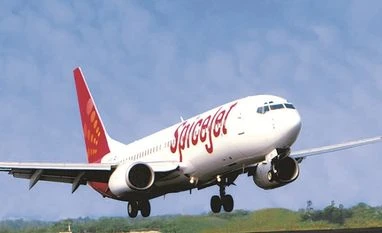
High-flying SpiceJet loses some of its speed as costs rise, yields weaken
Ram Prasad Sahu
2 min read Last Updated : Nov 14 2019 | 10:38 PM IST
SpiceJet’s 51 per cent increase in revenues to Rs 2,845 crore in the September quarter was driven by a sharp increase in passenger volumes and a marginal uptick in yield.

The airline’s capacities increased by half in the quarter, while passenger volumes rose 29 per cent over the year-ago period.

However, what belied hopes of the Street was the muted increase in yields at 1.9 per cent, compared to the 3.5 per cent estimated by the Street. IndiGo’s passenger yields, in comparison, rose 9.4 per cent.

According to analysts at JM Financial, SpiceJet’s below-par yield increase was due to a significant increase in fleet during the first half of FY20, which impacted its route optimisation efforts.

The pressure on yields is expected to continue throughout the current quarter (Q3). While Q3 is a traditionally a strong quarter, flash sales by airlines and a fall in prices in metro cities indicates flat yields for the sector. This doesn’t bode well, especially at a time when costs are rising for both IndiGo and SpiceJet.

The 51 per cent increase in expenses (excluding rental and fuel) for SpiceJet and 32 per cent for IndiGo has negated the gains in the top line.

Higher scale of operations led to a surge of 56 per cent in employee costs for both carriers. Maintenance costs surged for both IndiGo and SpiceJet in Q2, and is expected to continue (especially for IndiGo) for the next few quarters. Both posted a loss at the operating level.

Even though the reported loss by SpiceJet, at Rs 462 crore, was much higher than analyst estimates, the figure would have been even higher by Rs 180 crore had the company not recognised reimbursements from Boeing related to the grounding of the 737 MAX.

The higher losses, pressure on yield in the current quarter, and a cut in target prices, all led to a 6 per cent drop in the SpiceJet stock. Brokerages, however, prefer the smaller airline given the valuation comfort it enjoys over IndiGo. SpiceJet will gain from higher load factors and fuel efficiency once the 737 MAX returns to its fleet in Q1FY21.

One subscription. Two world-class reads.

Already subscribed? Log in

Subscribe to read the full story →
*Subscribe to Business Standard digital and get complimentary access to The New York Times

Smart Quarterly

₹900

3 Months

₹300/Month

SAVE 25%

Smart Essential

₹2,700

1 Year

₹225/Month

SAVE 46%
*Complimentary New York Times access for the 2nd year will be given after 12 months

Super Saver

₹3,900

2 Years

₹162/Month

Subscribe

Renews automatically, cancel anytime

Here’s what’s included in our digital subscription plans

Exclusive premium stories online

  • Over 30 premium stories daily, handpicked by our editors

Complimentary Access to The New York Times

  • News, Games, Cooking, Audio, Wirecutter & The Athletic

Business Standard Epaper

  • Digital replica of our daily newspaper — with options to read, save, and share

Curated Newsletters

  • Insights on markets, finance, politics, tech, and more delivered to your inbox

Market Analysis & Investment Insights

  • In-depth market analysis & insights with access to The Smart Investor

Archives

  • Repository of articles and publications dating back to 1997

Ad-free Reading

  • Uninterrupted reading experience with no advertisements

Seamless Access Across All Devices

  • Access Business Standard across devices — mobile, tablet, or PC, via web or app

Topics :SpiceJetSpiceJet stock

Next Story


