Margin pressure ahead for Hero MotoCorp

Transition to BS-IV emission norms, higher commodity costs could hurt
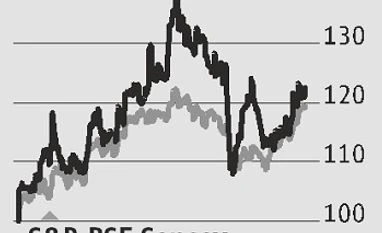
Graph
Graph
Ram Prasad Sahu
Last Updated : Feb 10 2017 | 3:46 AM IST
Hero MotoCorp posted better-than-expected December quarter (Q3) performance, but the going may not be easy in the coming quarters. One, the Q3 show topping estimates is partly due to already low expectations on note ban. Two, even as demand is seen recovering, there could be higher operating profit margin pressures going ahead.

For Q3, revenues at Rs 6,364 crore were down 12.6 per cent year over year as two-wheeler sales at 1,493,000 units were down 12.8 per cent due to note ban, but slightly higher than estimates of Rs 6,315 crore.

Given muted sales, profits were expected to fall. Operating or underlying profit fell 4.51 per cent to Rs 1,079 crore, but beat estimate of Rs 961 crore. Operating or underlying profit margin at 17 per cent was 130 basis points higher than a year ago, thanks to lower raw material prices and cost controls. Lower costs and a 45 per cent jump in other income helped Hero limit net profit fall over the previous quarter to 2.52 per cent. Net profit at Rs 772 crore was higher than estimate of Rs 711 crore.

But, going ahead, costs are expected to increase due to BS-IV emission norms kicking in from April 1. Hero has pegged the rise at Rs 400-500 per vehicle. The second pressure point is sharp increase in commodity costs. Typically, these reflect with a lag of a quarter, so Q3 skips the heat. Hero said part of it will reflect in March quarter and the full impact will be visible in June quarter. That operating profit margin in Q3 was 55 basis points lower than September quarter's, is an indication of cost pressure. Given the muted sales, Hero has also been circumspect about hiking prices in one go and is going in for smaller raises. Hikes in January ranged from Rs 500 to Rs 1,200. The Leap programme could offset some of the cost pressures.

So, the key trigger would be demand, which has been impacted severely. Two-wheeler sales (including scooters) for the industry were down 15 per cent year over year in November and December, and motorcycle sales were down nine per cent in January. 

Management indicated that customers are coming back and expects FY18 demand to grow in high single digit, with contribution from both motorcycles and scooters. If indeed demand picks up well and Hero is able to pass on higher costs to customers, the stock could gain.


One subscription. Two world-class reads.

Already subscribed? Log in

Subscribe to read the full story →
*Subscribe to Business Standard digital and get complimentary access to The New York Times

Smart Quarterly

₹900

3 Months

₹300/Month

SAVE 25%

Smart Essential

₹2,700

1 Year

₹225/Month

SAVE 46%
*Complimentary New York Times access for the 2nd year will be given after 12 months

Super Saver

₹3,900

2 Years

₹162/Month

Subscribe

Renews automatically, cancel anytime

Here’s what’s included in our digital subscription plans

Exclusive premium stories online

  • Over 30 premium stories daily, handpicked by our editors

Complimentary Access to The New York Times

  • News, Games, Cooking, Audio, Wirecutter & The Athletic

Business Standard Epaper

  • Digital replica of our daily newspaper — with options to read, save, and share

Curated Newsletters

  • Insights on markets, finance, politics, tech, and more delivered to your inbox

Market Analysis & Investment Insights

  • In-depth market analysis & insights with access to The Smart Investor

Archives

  • Repository of articles and publications dating back to 1997

Ad-free Reading

  • Uninterrupted reading experience with no advertisements

Seamless Access Across All Devices

  • Access Business Standard across devices — mobile, tablet, or PC, via web or app

Next Story



