Mobile chipmaker Qualcomm hit with US antitrust suit
Qualcomm rejected the agency's case as 'significantly flawed'
AFPPTI Washington Mobile chip giant Qualcomm was hit with a US antitrust suit alleging it abused its dominant position in the market for processors used in cell phones and other devices.
The US Federal Trade Commission filed a lawsuit in federal court in California claiming Qualcomm's practices amount to "unlawful maintenance of a monopoly in baseband processors," which are devices that enable cellular communications in phones and other products.
Qualcomm rejected the agency's case as 'significantly flawed,' arguing that reasoning at the heart of the civil complaint is wrong.
"In our recent discussions with the FTC, it became apparent that it still lacked basic information about the industry and was instead relying on inaccurate information and presumptions," Qualcomm general counsel Don Rosenberg said in a released statement.
Qualcomm, which is the dominant provider of chips for smartphones, has faced similar antitrust investigations in the European Union and China, and last month was hit with a record fine of $850 million by South Korean enforcement regulators.
In the US lawsuit, the FTC said Qualcomm's policy is to supply its processors only on the condition that cell phone manufacturers agree to Qualcomm's "preferred license terms" for patents which are essential for mobile communications.
"By using its monopoly power to obtain elevated royalties that apply to baseband processors supplied by its competitors, Qualcomm in effect collects a 'tax' on cell phone manufacturers when they use non-Qualcomm processors," the lawsuit said.
"This tax weakens Qualcomm's competitors, including by reducing demand for their processors, and serves to maintain Qualcomm's monopoly in baseband processor markets."
Qualcomm's actions have hurt competitors including Taiwan-based Via Technologies, which was acquired by Intel in 2015, and another Taiwan firm, MediaTek Inc.
The suit also alleges that Qualcomm "extracted exclusivity from Apple in exchange for reduced patent royalties," which prevented the iPhone maker from getting processors from Qualcomm's competitors from 2011 to 2016.
Qualcomm general counsel Rosenberg maintained that the FTC sped up the investigation, filing the suit just days before a change in the US presidential administration and with only three of five agency commissioners in place.
"This is an extremely disappointing decision to rush to file a complaint," Rosenberg said.
"It became apparent that the FTC was driving to file a complaint before the transition to the new administration."
The San Diego, California, group in 2015 agreed to pay $975 million to settle antitrust charges in China.
The tech group is challenging an EU competition inquiry which could result in a fine of up to 10 percent of its annual sales, which amounted to $26.5 billion for Qualcomm in 2015.

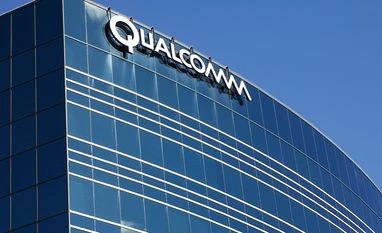 "Mobile chipmaker Qualcomm hit with US antitrust suit")


 Connect with us on WhatsApp