ONGC not taking part in share buyback, but will eventually gain: HPCL CMD

Shareholders can be rewarded by way of bonus and dividends or by giving them an option for buyback, says M K Surana
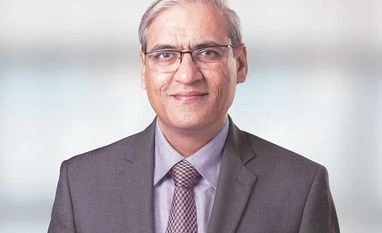
M K Surana
M K Surana, chairman and managing director, HPCL
Jyoti Mukul
5 min read Last Updated : Nov 07 2020 | 3:13 PM IST
Hindustan Petroleum Corporation Ltd (HPCL) has announced a share buyback in which its promoter, Oil and Natural Gas Corporation (ONGC), is not taking part. In an interview with Jyoti Mukul, M K Surana, chairman and managing director, HPCL, talks about the recovery in petroleum demand and how the buyback is cheaper. Edited excerpts:

What is the rationale behind the buyback?

Shareholders can be rewarded by way of bonus and dividends or through the buyback. We have done bonus and dividends in the past. Buybacks in private companies have been used in India and abroad. In India, the government offered its shares to public sector undertakings as part of buybacks but in HPCL we do not have government shareholding and have no advisory from the government or ONGC on it. In our case, it is a conscious call to create value for shareholders. The value increases because the equity pie is divided among fewer shareholders and at the same time people who want to exit can do so. For us, the cost of servicing debt is less than servicing equity. Therefore, it makes sense to go for the buyback.

The expectation of shareholders that they should be compensated for the same net value at hand means you have to give higher dividends. Now for companies, like us, the cost of paying dividend is higher than the cost of debt. It makes sense for companies to go for buyback if the debt-to-equity ratio supports that and the company has the credit worthiness to borrow at optimum cost. HPCL on both the counts is good.

How far will HPCL’s stock price be affected by the buyback?

HPCL stocks (Friday closing Rs 205 on the BSE) have been running low and do not reflect the correct value. The company’s intrinsic value is far higher than the buyback price of Rs 250. The book value of HPCL is Rs 215 as of today and, therefore, we thought this will unlock the potential value of the company. We have chosen the market transaction method because it is transparent, faster, simpler, and creates more value for the shareholder because the cost of this method compared to the tender method is lower.

ONGC bought HPCL at a much higher price, so do you think it does not make sense for it to tender shares?

Share prices can go up and down. It doesn’t matter unless you are selling but returns on the shareholding are not decided just by the share price but by dividends and the ultimate value you see in the future. HPCL’s intrinsic value is high and the market sooner or later will realise this. Even though the majority shareholder, ONGC, does not take part, if share values increase it will also benefit.

Wouldn’t you like to conserve cash instead of using it for buyback?

We have announced we will do the buyback up to Rs 2,500 crore. The process will run for six months. After this, we will still have the cash to fund capital expenditure. We are doing a capex of Rs 11,500 crore. Through profit and deprecation we add Rs 8,000 crore plus every year. In one year, the dividend payout was Rs 3,000 crore, so what we spend on the buyback is not a big amount.

How do you see the demand for petroleum products panning out for the full year?

The demand pickup is good and is being supported by automobile sales. As of September, it was 98 per cent of 2019. We are seeing a positive trend in both diesel and petrol in November.

What is the earnings outlook for marketing and refinery companies?

Refinery margins were affected by low product cracks. There is still an overhang of inventories in the market. Gradually as things start and if there is no second wave as is being anticipated in Europe and the US, inventories will be absorbed and cracks will improve. We have also seen Singapore gross refining margins have turned positive.

How do you see crude oil prices moving?

Crude oil prices are hovering in the region $38-42 a barrel. Demand is still down by about 8 million barrels. This will keep crude oil prices under check and will remain $40-45. Saudi Arabia reducing the official selling price marginally is also an indication. There is supposed to be reduction in production cuts from the OPEC+ Countries in January 2021 by almost 2 million barrels a day which is being  reviewed but prices will remain benign.

Will there be some reflection on domestic retail prices, which have been high because of taxes?

Domestic prices are a combination of central and state taxes, and prices derived from international prices and exchange rates. As far as we remain aligned to international prices, it is fine for us. As for taxes, the government has its own considerations.

One subscription. Two world-class reads.

Already subscribed? Log in

Subscribe to read the full story →
*Subscribe to Business Standard digital and get complimentary access to The New York Times

Smart Quarterly

₹900

3 Months

₹300/Month

SAVE 25%

Smart Essential

₹2,700

1 Year

₹225/Month

SAVE 46%
*Complimentary New York Times access for the 2nd year will be given after 12 months

Super Saver

₹3,900

2 Years

₹162/Month

Subscribe

Renews automatically, cancel anytime

Here’s what’s included in our digital subscription plans

Exclusive premium stories online

  • Over 30 premium stories daily, handpicked by our editors

Complimentary Access to The New York Times

  • News, Games, Cooking, Audio, Wirecutter & The Athletic

Business Standard Epaper

  • Digital replica of our daily newspaper — with options to read, save, and share

Curated Newsletters

  • Insights on markets, finance, politics, tech, and more delivered to your inbox

Market Analysis & Investment Insights

  • In-depth market analysis & insights with access to The Smart Investor

Archives

  • Repository of articles and publications dating back to 1997

Ad-free Reading

  • Uninterrupted reading experience with no advertisements

Seamless Access Across All Devices

  • Access Business Standard across devices — mobile, tablet, or PC, via web or app

Topics :ONGCHPCL

Next Story



