ONGC to go aggressive on shale gas
Ties up with ConocoPhillips to explore Cambay, Krishna-Godavari, Cauvery, Bengal basins
BS Reporter New Delhi With the shale gas policy likely to be cleared soon, state-run Oil and Natural Gas Corporation (ONGC) is set to concentrate on its exploration, after the success of a pilot project in the Damodar basin. The company has tied up with ConocoPhillips to explore and develop the Cambay, Krishna Godavari (KG), Cauvery and Bengal basins.
According to the petroleum and natural gas ministry, once the Cabinet clearance is in place, at least 100 blocks would be up for grabs in the bidding process, expected to start by the end of this year. During the first round of auctions, the government plans to cover the three major basins of Cambay, Krishna-Godavari and Raniganj. In the initial exploration stage, the round is likely to see an investment of about $2 billion.
Chairman and Managing Director Sudhir Vasudeva said, "We would be working with ConocoPhillips to explore Cambay, KG, Cauvery and Bengal basins for shale gas."
According to government estimates, the country has the potential to produce about 63 trillion cubic feet of shale gas.
ONGC, through a pilot project, was the first to hit shale gas reserves in the country - in the Raniganj (Ichhapur)and North Karanpura blocks of Damodar Valley. State-run Coal India had also launched a pilot project in the Gondwana basin of Bharat Coking Coal, along with US-based Advance Resource International. The results of the project are expected in September.
According to ONGC studies, overall reserves in the Damodar basin stand at 34 trillion cubic feet. Of this, eight trillion cubic feet are recoverable. ONGC, among others holding oil and gas blocks, is likely to be given the first right of refusal in the existing blocks.
According to reserved estimates by the oil and gas ministry, the three belts scheduled to be auctioned in the first round have estimated shale reserves of 12-15 trillion cubic feet, of which two to six trillion cubic feet are immediately recoverable.
Shale gas is natural gas trapped in sedimentary rocks (shale formations) below the earth's surface. It is expected the major sources of shale gas in India are Cambay, Gujarat, Assam-Arakan in the Northeast, Gondwana in central India, Krishna-Godavari in Andhra Pradesh, Cauvery onshore and the Indo-Gangetic basin.

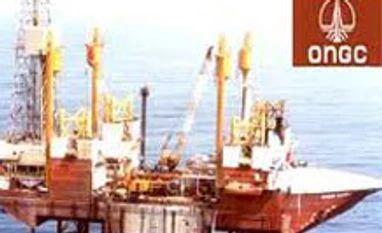 "ONGC to go aggressive on shale gas")


 Connect with us on WhatsApp