Reliance aims to make consumer biz as big as its core energy operations

In May, Reliance announced that Jio posted its second straight quarterly net profit since its launch in September 2016
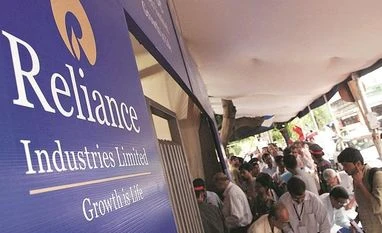
Reliance Industries
RIL had acquired the shale assets in 2010 for $392 million
Reuters
Last Updated : Jun 08 2018 | 5:09 PM IST
Reliance Industries Ltd aims to make its consumer businesses as big as its core energy operations, chairman Mukesh Ambani said in its annual report, as he seeks to reshape the industrial powerhouse.

The company, primarily an oil and gas refining, marketing and petrochemicals conglomerate, counts telecoms, retail and media and entertainment as part of its consumer businesses that together contribute barely a tenth of total operating profit.

However, buoyed by the success of Reliance’s fledgling telecoms start-up Jio, which turned a profit within a year of operation, Ambani is hoping to see rapid growth from the consumer divisions in future.

“Our aim is to have the consumer businesses contribute on par with the energy and materials business over the next decade,” Ambani said in a letter to shareholders in the annual report.

“The year saw our consumer businesses attain a threshold, wherefrom they will start contributing meaningfully to consolidated profits,” he said.

In May, Reliance announced that Jio posted its second straight quarterly net profit since its launch in September 2016 as its cut-price plans continued to attract subscribers.

With more than 186 million subscribers, Reliance Jio Infocomm Ltd, or Jio as it is commonly called, is the fourth biggest telecoms carrier in India and boasts of having added more customers in the 2017 fiscal year than its rivals combined.

Jio triggered a price war among operators as they moved to compete with Jio’s low-cost data plans, driving down margins and spurring consolidation in India’s telecom industry.

It plans to cover 99 percent of the country with its network by the end of the year, giving it reach to households and enterprises, Jio’s head of strategy Anshuman Thakur said in May.

Ambani, India’s richest man, spearheaded the company’s consumer-led diversification a decade ago with its entry into organised retail. While that business turned an operating profit within six years, its contribution to overall profit remains minimal. The retail business accounted for 4 percent of the company’s consolidated net profit in the 2017-2018 fiscal year.

Reliance runs the world’s largest single-location crude oil refinery and petrochemical complex, in western India. That contributes 90 percent of the company’s overall profit and revenue.

One subscription. Two world-class reads.

Already subscribed? Log in

Subscribe to read the full story →
*Subscribe to Business Standard digital and get complimentary access to The New York Times

Smart Quarterly

₹900

3 Months

₹300/Month

SAVE 25%

Smart Essential

₹2,700

1 Year

₹225/Month

SAVE 46%
*Complimentary New York Times access for the 2nd year will be given after 12 months

Super Saver

₹3,900

2 Years

₹162/Month

Subscribe

Renews automatically, cancel anytime

Here’s what’s included in our digital subscription plans

Exclusive premium stories online

  • Over 30 premium stories daily, handpicked by our editors

Complimentary Access to The New York Times

  • News, Games, Cooking, Audio, Wirecutter & The Athletic

Business Standard Epaper

  • Digital replica of our daily newspaper — with options to read, save, and share

Curated Newsletters

  • Insights on markets, finance, politics, tech, and more delivered to your inbox

Market Analysis & Investment Insights

  • In-depth market analysis & insights with access to The Smart Investor

Archives

  • Repository of articles and publications dating back to 1997

Ad-free Reading

  • Uninterrupted reading experience with no advertisements

Seamless Access Across All Devices

  • Access Business Standard across devices — mobile, tablet, or PC, via web or app

Next Story



