Retailers body backs Maharashtra model
Maharashtra, in August, became first state in country to come out with draft policy on retailing
BS Reporter Kolkata The Retailers Association of India (RAI), which helped the government of Maharashtra develop a policy on the sector, is working with some other states in this regard.
“It was close to one and a half years of work with the Maharashtra government and, thankfully, they have moved fast. At present, we are working with Rajasthan, Andhra Pradesh and the newest state, Telangana, which would shortly be coming out with its own policy,” said Kumar Rajagopalan, chief executive officer.
Maharashtra, in August, became the first state in the country to come out with the draft of a policy on retailing. Telangana, he said, had begun by allowing shops to remain open all seven days a week.
“Apart from Delhi, which always allowed shops to remain open all days, only Maharashtra and Telangana now have this provision. We explained to the state governments why there is no need to shut a shop for a day when every employee would be given a weekly off,” he said.
This provision forms part of the 10-point agenda incorporated by the Maharashtra government in its retail policy.
The reason for states to now wish to formulate a retailing policy is to attract investment in the job-generating potential of this sector, says Rajagopalan.
“With 33 million people (in it), retail is the first employment opportunity for many, particularly students, and also those unemployable elsewhere. It also provides opportunities to women in a big way,” he said.
“There are states which don’t allow women to work beyond 8.30 pm, a time of the evening when many customers walk in. We are trying to impress upon such states to allow more working hours for women if their safety issues are taken care. This would have a major impact on the sector, as only 20 per cent of the retail workforce in India is of women, against 50 per cent globally.”
RAI is also lobbying with states to change regulations to bring down cost of occupation, by raising the Floor Space Index to moderate rentals and earmark designated areas for retail operations.
“Globally, retailers pay three per cent of their turnover for rentals. Here, it is eight to 12 per cent.”
Lower rentals would not only make opening high-street outlets less risky but help warehousing, a crucial requirement.

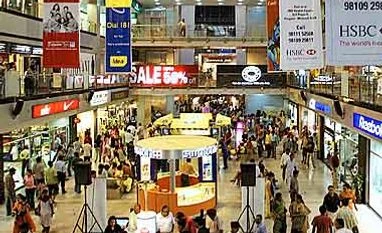 "Retailers body backs Maharashtra model")


 Connect with us on WhatsApp