Sebi-Sahara case: A saga of big numbers and innocuous names
The high profile case saw the arrest of Sahara Group chief Subrata Roy
Press Trust of India New Delhi It was an innocuous-looking complaint by one 'Roshan Lal' four years and four months ago that sent watchdog Sebi on trail of "various illegalities" committed by Sahara group in raising over Rs 24,000 crore from more than three crore investors.
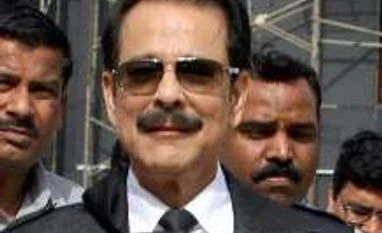
The high-profile saga -- which today saw the arrest of flamboyant Sahara group chief Subrata Roy, who calls himself "Managing Worker" of his business empire -- has seen many dramatic events along the way.
There has been many emotional pitches by Sahara group, which claims to have a networth of over Rs 68,000 crore and assets worth over Rs 1.5 lakh crore.
The Sebi-Sahara case itself comprises staggering numbers like collection of over Rs 24,000 crore from three crore individuals, while once Sahara sent 127 trucks containing 31,669 cartons full of over three crore application forms and two crore redemption vouchers to Sebi office. This apparently resulted into a huge traffic jam on outskirts of Mumbai, where the regulator is headquartered.
The case also has brought to headlines numerous financial jargons like OFCDs, DRHP and RHP, as also numerous innocuous sounding names like Kalawati, Hardwar and the famous 'Roshan Lal'.
It all started with Sahara Prime City, a real estate venture of the group, filing a Draft Red Herring Prospectus (DRHP) with Sebi on September 30, 2009. This is an initial document that a company needs to file with Sebi to bring out an IPO or initial public offer of shares to public investors.
While going through this DRHP, Sebi sensed certain large- scale fund raising exercises by two Sahara firms -- Sahara India Real Estate Corp Ltd (SIRECL) and Sahara Housing Investment Corp Ltd (SHICL).
Soon, Sebi received two complaints -- one on December 25, 2009 and the second on January 4, 2010 -- alleging illegal means used by these two firms in issuance of certain bonds, called OFCDs (Optionally Fully Convertible Debentures), to the public throughout the country for many months.
The second complaint was from Roshan Lal, which was received by Sebi through National Housing Bank. Based on these complaints, Sebi began seeking clarifications from the group, initially through their investment bankers Enam Securities and later directly.
Further investigations found that the funds were raised through OFCDs after filing RHPs (Red Herring Prospectus) with the Registrar of Companies, although the rules required permission from Sebi for any issuance of securities to 50 or more investors. In these cases, the number of investors ran into crores.

 "Sebi-Sahara case: A saga of big numbers and innocuous names")


