Sparkle back in Surat's diamond sector
Diamond polishers say that with global demand picking up and inventory down to one month, industry is seeing green shoots
Sohini Das Ahmedabad Surat’s diamond sector, reeling under slowdown blues since July 2014, has started to see green shoots.
After picking up in January-February, trade again plummeted in March due to the nationwide jewellers' strike that dented the domestic demand for diamonds. Domestic demand accounts for around 15 per cent of Surat's business. Traders are hopeful that international demand will bail them out. With the strike over, domestic demand too is likely to pick up now.
Read more from our special coverage on "DIAMONDS"
The Index of Industrial Production (IIP) figures for February showed that the gems and jewellery sector had done well, picking up 33.1 per cent.
Kirti Shah, a diamond unit owner in Surat said, this was the worst period of slowdown in the past 10 years or so. “It is worse than the 2008 slowdown, when recovery was relatively quicker. On top of that, the jewellers' strike has taken off further sheen from the diamond market here," he said.
Of the 300 units that had shut shop during the slump, many have re-opened. Dinesh Navadia, president of the Surat Diamond Association, said there was now a labour shortage of 20-25 per cent. This was because several thousands of workers were rendered jobless owing to the slowdown around Diwali and Christmas last year and these people had shifted to other jobs.
Surat, which accounted for 90 per cent of the world’s rough diamond polishing, had employed over 600,000 people in around 5,000 workshops. Hardly 350,000 were working by the end of 2015, and many on reduced wages.
Several workers took to embroidery work, or returned to their villages. "Finding skilled workmen is now a challenge in Surat," Navadia said. "Demand from US and China are up compared to the pre-Diwali situation, and we hope that things would only move up from here."
The inventory situation too had improved from a 6-month inventory around September-October last year to around a month’s inventory with units now.
Traders are mostly relieved as the prices of rough diamonds and polished diamonds are now more or less balanced. "Earlier, while polished diamond prices had gone down drastically, the rough had gotten costly due to high demand since 2011-12. This made trade unviable. Now, the prices are more or less balanced," Navadia said.

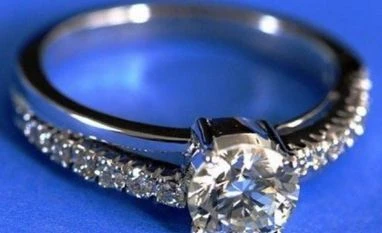 "Sparkle back in Surat's diamond sector")


 Connect with us on WhatsApp