3 min read Last Updated : Jan 22 2020 | 8:47 PM IST
SpiceJet’s expansion plans and its operating profit in the near term is likely to be hit as Boeing 737 MAX induction has been pushed to the second half of the year. The airline management was expecting the return of the fuel-efficient aircraft into service in early 2020. But Boeing informed customers and suppliers late on Tuesday the company was “estimating that the ungrounding of 737 MAX will begin during mid-2020”. “This updated estimate is informed by our experience to date with the certification process,” Boeing said.
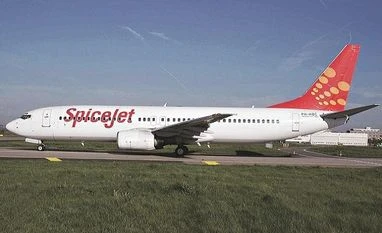
SpiceJet had 13 Boeing 737 Max in its fleet (and 155 planes of the type on order), which were grounded following a global ban last March.
SpiceJet inducted 32 conventional Boeing 737 planes (known as 737 NG) flown by Jet Airways after the latter’s collapse last April. This allowed the airline to obtain airport slots, fill up the capacity vacuum, and open new routes and has resulted in increased expenses for the airline.
“As fares are not increasing, airlines would need to control their non-fuel costs to retain profitability. This looks difficult in SpiceJet’s case now. The 737 MAX would have resulted in reduced fuel burn, lower maintenance expense, and above all resulted in profit from sale and lease back of the aircraft. The grounding of 737 MAX has impacted the airline’s cash flows and payables,” said Santosh Hiredesai, analyst of SBICAP Securities. Hiredesai expects the airline to book further compensation from Boeing in the third quarter. The airline has already booked around Rs 290 crore in compensation from Boeing in the first two quarters even as it negotiates claims. SpiceJet did not respond to an email query.
Kapil Kaul, chief executive of aviation consultancy CAPA India, said the announcement from Boeing is not good news for SpiceJet. “It is critical for Boeing and the US Federal Aviation Administration to ensure that the MAX’s return to service is driven by highest level of safety and not commercial pressures,” he said.
CAPA had said in December SpiceJet could be headed for second consecutive full-year loss blaming business complexity and aircraft reliability issues as reasons. Jet’s 737 planes were configured with 12 business class seats and these were inducted by SpiceJet without any changes in configuration. A business class product was introduced by SpiceJet in May but from October the airline began reconfiguring the planes in all economy seating. “SpiceJet has also inducted five 737s on wet lease in order to provide capacity given the grounding of MAX aircraft. These are likely to be returned in January 2020 and are likely to be replaced by another 5-6 planes on short-haul leases,” CAPA said.
Leases of some of the ex-Jet Airways planes will be up for renewal later this year and the airline would have to do a cost benefit analysis (higher maintenance versus capacity benefit) before deciding on renewal. "We hear SpiceJet had secured the former Jet planes at attractive rates and lease expenses will be closely watched in case of their renewal," said Paarth Gala of Prabhudas Lilladher.
"The market for 737 NG is very strong and also balanced. Rentals have firmed up but not unnaturally high. SpiceJet should be able to make up any incremental rental that it may have to pay with higher yields arising from capacity constraints," said a head of a leasing company.