Start-ups taste winning recipe in dinner kits
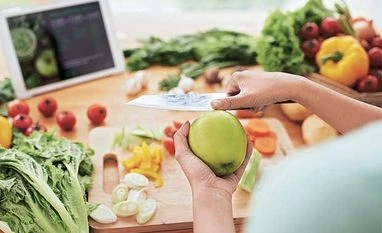
M SaraswathyPatanjali Pahwa Mumbai Sneha Arya discovered Blue Apron, when she was studying in the US. She had heard about it on a niche broadcasting medium. The idea is simple: Order high-quality food but cook it yourself. Sounds difficult? Not really. Blue Apron sends consumers all ingredients needed to make a meal in the right proportions. And it also sends step-by-step recipes.
Call this cooking for dummies or, to put it more gently, do-it-yourself (DIY) cooking. And yes, Blue Apron is a $2-billion company.
Arya spoke to her brother in India. Chirag runs an eatery in Mumbai, and he liked the idea. They believed that India had space for a Blue Apron clone, because the only options the urban crowd had were cook for oneself or rely on cooks or eating out or ready-to-eat food. A quick research told them that the urban crowd wanted to cook and get the restaurant experience. This way, iChef was born in 2014. Recently, the company has been plastered across the front pages of a few newspapers after it received an undisclosed round of funding from Springboard Ventures.
iChef is not alone. In an already heated segment, there are now at least three more -HauteChef, Burgundy Box and Let's Chef - are battling it out.
Burgundy Box was launched this year by Vivek Singh. They needed to stand out. They roped in Ajay Chopra, ex-executive chef, Starwood Hotels & Resorts, as co-founder.
"We were looking to create an experiential brand on the web, which would provide an alternative to the very commoditised and undifferentiated food services," Singh said.
Each customer pays per meal kit, which includes step-by-step cooking instructions and ingredients.
These companies have standardised the prices. International recipes could be priced differently. The time required to prepare the dishes is also mentioned, helping users pick those dishes matching their time schedule.
"Kits are priced competitively with the market and are often cheaper than a similar meal in a restaurant by at least 20 per cent. All kits are priced between Rs 200 and Rs 300 and serves two," said Mohit Bhatia, founder, Let's Chef.
These companies have started to register modest demand. "We get 300 orders from Friday to Sunday and 150 on weekdays," said Sneha of iChef.
All of these companies are looking at scale but are looking to grow slowly.
Burgundy Box's Singh said the company plans to access external investments in due course as they chart their expansion and wants to raise funds by the first quarter of 2016. Haute Chef is also looking to raise funds soon, said Vishal Shah, chief executive and founder. Experts believe funding might not be as easy to come by.
"There has been a spurt in the DIY food companies in Mumbai and it is the talking point, too. You cannot compare India to the US market. There is pride in serving home-cooked food and it will work when one needs that push to cook, because it would have taken care of more than half the task. Concepts like these have a long gestation period. The concept will catch on and people will go for it," said Sanjeev Kapoor, celebrity chef and entrepreneur. He explained this segment has a novelty factor but patience would be the name of the game. "The price-points are similar and so are the delivery models. What is needed is well-defined niches so that, as investors, we are able to take a fair view of their growth potential," said an official from a Mumbai-based angel network.
Venture capital (VC) firms argue that while metros should be the first port of call, Tier-II cities is where these companies may succeed. One VC said Tier-II cities, considered the cash cow for all e-commerce companies, are a space where Michelin-starred restaurants have not found their feet but the demand for international cuisine is extremely high. "There are investors from the US who are trying to find Blue Apron-like companies in India. There is a huge scope for them and an excellent chance to succeed," said Apoorv Ranjan Sharma, co-founder, Venture Catalysts.
But they all agree there are too many players in too small a niche and some will have to die.
| EVERYTHING BUT THE CHEF |
- The start-up idea is simple: Order high-quality food but cook it yourself
- It is cooking for dummies or, to put it more gently, do-it-yourself cooking
- iChef is one such start-up
- The company has been plastered across the front pages of a few newspapers after it received funding from Springboard Ventures
- iChef is not the only start-up in the segment
- In an already heated segment, there are now at least three more start-ups - HauteChef, Burgundy Box, and Let's Chef - battling it out for a portion of the wallet
- Each customer pays per meal kit to the start-up, which includes step-by-step cooking instructions and ingredients
|

 "Start-ups taste winning recipe in dinner kits")


 Connect with us on WhatsApp