Strong gains in store for Gujarat Gas, IGL on quantum shift cleaner fuels

Expanding network, opportunities in newer markets are other key earnings drivers; GAIL to benefit on spike in transmission volumes
Data
Ujjval Jauhari
Last Updated : Mar 19 2018 | 11:01 PM IST
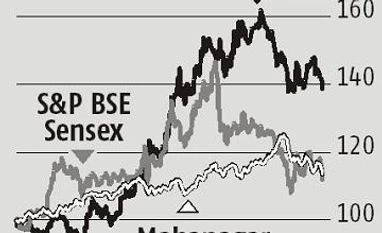
Gas distribution companies are likely to see higher investor interest going forward, as bidding for natural gas distribution in urban areas is catching pace. The shift to cleaner auto, cooking and industrial fuels has already become a priority area for governments, both Central and state, and this in turn is propping up prospects of city gas distribution (CGD) companies such as Indraprastha gas (IGL), Gujarat Gas and Mahanagar Gas (MGL). Even GAIL, the country’s largest gas transmission and marketing company, stands to benefit as improving gas demand will result in better transmission volumes and utilisation of its vast gas pipeline infrastructure.

Analysts at Ambit Capital say that the Indian CGD space is an attractive play on growing energy consumption and anti-pollution drive in urban India. China’s CGD achieved 15 per cent compounded annual growth in volumes in the past decade led by its government’s push for clean energy, a story India is likely to replicate, the analysts say.

The Indian gas utilities have already been benefiting from the growing piped natural gas and auto fuel demand (PNG and CNG, respectively). Further, the ban on industry from using fuels such as furnace oil besides efforts to discourage use of pet coke, has added to the prospects of gas utilities. 
Additionally, the demand from the fertiliser and power sector companies continues to be strong, and is supporting overall growth in gas volumes.

The growth reported by gas utilities during the December 2017 quarter bears testimony to the benefits accruing to them. While IGL saw its total volumes grow by 14 per cent year-on-year (up one per cent sequentially) to 5.26 mmscmd (million metric standard cubic metre per day), Gujarat Gas saw an exceptionally strong quarter marking  19 per cent volume growth largely led by higher demand from industrial sector. Mahanagar Gas, too, clocked volumes of 2.7 mmscmd, up a decent seven per cent year-on-year, in the December quarter.

IGL, however remains in spotlight given the heightened concerns over pollution around the Delhi-NCR region, which is to further prop up the use of natural gas. For Gujarat Gas, the already growing city gas distribution business is providing impetus to its already robust industrial segment growth and analysts believe that increasing CNG (compressed natural gas) volumes would also reduce volatility in business growth and margins. MGL may have seen relatively lower growth recently, but expect better volumes going ahead as the company ramps up further in the Raigarh region of Maharashtra.

The bidding in new geographies is an important growth opportunity for existing and new players. IGL, which is well placed to benefit from expansion in new areas of Gurugram and Rewari, will try bagging new regions offered by the gas regulatory such as Haryana and Uttar Pradesh, said analysts. Gujarat Gas, which is operating mainly in Gujarat, Dadra, Nagar Haveli, etc is expected to tap emerging opportunities from new regions in Gujarat and Daman. Similarly, MGL with its infrastructure in Mumbai, Thane urban and Raigarh district, will likely be bidding for new geographies being offered in the Maharashtra, especially Nasik and Aurangabad. Ambit Capital’s analysts say that Indian players will benefit from network effect/credible re-investment opportunities as they scale up their operations in nearby areas.

Currently, IGL remains the top pick of most analysts and their target prices indicate an upside of up to 38 per cent from current levels of Rs 297. Ambit Capital’s analysts say that they prefer IGL over Gujarat Gas and MGL as the company will continue to benefit from anti-pollution drive in Delhi, even as it sees about 23 per cent growth for the latter two players. The recent correction in their share prices only makes the risk-reward more favourable. 
 
The key risk include a sharp surge in global gas prices, which may push up domestic prices given the formula-based pricing. Similarly, delay in issuing licenses for new areas could increase the waiting period for investors. 

One subscription. Two world-class reads.

Already subscribed? Log in

Subscribe to read the full story →
*Subscribe to Business Standard digital and get complimentary access to The New York Times

Smart Quarterly

₹900

3 Months

₹300/Month

SAVE 25%

Smart Essential

₹2,700

1 Year

₹225/Month

SAVE 46%
*Complimentary New York Times access for the 2nd year will be given after 12 months

Super Saver

₹3,900

2 Years

₹162/Month

Subscribe

Renews automatically, cancel anytime

Here’s what’s included in our digital subscription plans

Exclusive premium stories online

  • Over 30 premium stories daily, handpicked by our editors

Complimentary Access to The New York Times

  • News, Games, Cooking, Audio, Wirecutter & The Athletic

Business Standard Epaper

  • Digital replica of our daily newspaper — with options to read, save, and share

Curated Newsletters

  • Insights on markets, finance, politics, tech, and more delivered to your inbox

Market Analysis & Investment Insights

  • In-depth market analysis & insights with access to The Smart Investor

Archives

  • Repository of articles and publications dating back to 1997

Ad-free Reading

  • Uninterrupted reading experience with no advertisements

Seamless Access Across All Devices

  • Access Business Standard across devices — mobile, tablet, or PC, via web or app

Next Story



