4 min read Last Updated : Nov 22 2021 | 11:57 PM IST
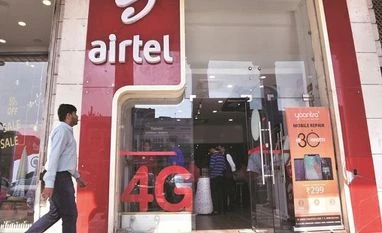
The stock of India’s second largest telecom service provider was up 3.9 per cent and hit an all-time high after the company announced tariff hikes of 20-25 per cent in the prepaid segment.
The across-the-board increase comes after a gap of nearly two years and is expected to boost Airtel’s average revenue per user (ARPU) and margins. The prepaid segment accounts for 95 per cent of the firm’s subscriber base.
Naval Seth and Sonali Shah of Emkay Research point out that tariffs in the entry level segment after the latest increase have risen by 2x since July 2021. They have raised their India wireless ARPU for FY22-24 by 2-5 per cent, resulting in upgrade of consolidated operating profit estimates by 2-4 per cent and net profit by 12.5-14 per cent over this period. Though the impact on the December quarter (Q3) will be restricted to just over a month, the full impact of the move will be felt in Q4. For FY22, analysts expect the company to post an ARPU of Rs 164.
Says Priyanka Bansal, associate director at India Ratings and Research: “If there is no further pricing action and subscriber churn is not significant, then we expect FY22 ARPUs to rise by 13 per cent year-on-year (YoY) on FY21 exit ARPUs of Rs 145. About 70 per cent of the incremental revenues are expected to flow through to the operating profit level.”
The ARPU increase of 20 per cent should flow through to revenues, but analysts are cautious on its impact on subscriber numbers. Bharti Airtel reiterated its medium-term goal of ARPUs moving up to Rs 200 and ultimately to Rs 300 in the tariff hike announcement, but how competitors react will also decide this trajectory for the company and the sector. Vodafone Idea (Vi) is likely to make a similar announcement.
Say Navin Killa and Aditya Chandrasekar of UBS Securities, “Considering the liquidity situation of Vi, we think it is highly likely they will follow suit. This would also help the company in their fundraising process, which has been delayed so far.” The Vi stock was up 6.21 per cent in trade. Moreover, the positive for Vi is that the subscriber loss has reduced from 4.3 million per month to 0.8 million per month in August. Like Airtel, Vi also registered a sequential 5 per cent growth in ARPU to Rs 109, led by a rise in entry-level prepaid pricing plan from Rs 49 to Rs 79 and increase in tariffs of select postpaid plans.
Sectoral tariff hikes are critical for Vi, as it has been losing market share to rivals and its net debt at Rs 1.94 trillion is the highest in the sector, with a net debt to operating profit of 11 times on FY21 financials. After a 4.5 per cent sequential rise in telecom industry revenues in Q2, Jitendra Upadhyay, senior equity research analyst at Bonanza Portfolio, expects growth momentum of the sector to continue due to price hikes, increase in smartphone sales during the festive season, and rebound in the economy.
The key question, however, is the response of market leader Reliance Jio. The company reported a first net customer reduction of 11.1 million in Q2, and given its aggression on attracting 2G/3G customers to its network through JioPhone Next, it is not clear whether the company will hike tariff.
UBS Sec has considered a hike by Jio as its base case, which will give a near-term boost to sector ARPUs, but what needs watching is whether Bharti would be forced to retract the hike (its revised plans are at a 20-45 per cent premium to Jio's prepaid tariffs) if Jio doesn’t follow suit.
Investors should await pricing action by competitors before considering investment in Bharti Airtel, as the stock has gained over 42 per cent in the last 6 months and part of hikes are baked into Street’s estimates.