Tata Power may soon divest over $1 bn stake in Indonesian mines
According to analysts, the remaining 25% stake in the coal mines is valued at a little over $1 billion (Rs 6,000 cr)
Abhineet Kumar Mumbai India's largest private power producer Tata Power has lost the motivation to continue with its investment in Indonesian mines KPC as international coal prices drop. The company, which sold a five per cent stake in these mines along with a 30 per cent stake in related power infrastructure companies in July for $250 million, said a sale of the remaining holding could "follow soon."
Tata Power bought a 30 per cent stake in two Indonesian thermal coal producers PT Kaltim Prima Coal (KPC) and PT Arutmin Indonesia (Arutmin) and the related trading company owned by PT Bumi Resources (Bumi) in early 2007 for Rs 4,740 crore. According to analysts, the remaining 25 per cent stake in the coal mines is valued at a little over $1 billion (Rs 6,000 crore).
The stake purchase followed Tata Power winning a bid for the imported coal-based 4,000 Mw Mundra Ultra Mega Power Project (UMPP). Its calculations were based on plans to import coal from Indonesia when international prices were around $40 a tonne at the time of bidding in 2006. But global coal prices surged past $100 a tonne in 2011 and the Indonesian government banned exports below a notified price from September 2011. This made import of coal unviable for Tata Power.
"We invested not for the purpose of investment but for securitisation of coal and to get the fuel at a discounted price," said Anil Sardana, managing director, Tata Power.
The natural hedge worked well for Tata Power as long as prices were high despite the fact that Mundra's losses were also high. If the cost of mining was $45 and the price of coal was at $105 then the mines had a $60 margin. After taking care of taxes before the new law came into force, Tata Power used to get 30 per cent of that as margin. Net of that was about $10 a tonne, which was taking care of a large part of Mundra's losses.
Now coal prices have come down to $70 and with $45 as cost of mining the $25 margin after taking care of taxes in hand comes down to $1-2. That is nothing compared to the $25 above the quoted price that Mundra has to pay. So while the pain continues at Mundra, lower coal prices are an advantage in the sense that its losses may come down to about Rs 1,250 crore in the current financial year from Rs 1,800 crore in the previous year.
"That is why we sold the five per cent stake and gradually I think the other things could also follow soon," said Sardana. But he was equivocal about a time-frame for the sale. "One cannot say in this dynamic situation when one will take what decision. But we can certainly say that KPC is a good investment despite the discounted coal option and the securitisation objective completely gone," he said.
With the US becoming an exporter of coal and China focusing on renewable energy, the price of the fuel is not expected to reach the 2011 peak soon.
"If the company has identified other opportunities where it can deploy the money which it will receive then it is a good idea to divest," said Bhargav Buddhadev, an analyst with brokerage firm Ambit Capital. "Coal prices will anyway not reach the peak in coming years," he said.
MISSION UNACCOMPLISHED - Tata Power had bought a 30% stake in two major Indonesian thermal coal producers KPC and Arutmin and the related trading company owned by Bumi in early 2007 for Rs 4,740 cr
- Tata Power had sold 5% stake in these mines along with a 30% stake in related power infrastructure companies in July for $250 mn. According to analysts, the remaining 25% stake in the coal mines is valued at over $1 bn ( Rs 6,000 cr )
- The stake purchase followed Tata Power winning a bid for the imported coal-based 4,000 Mw Mundra Power Project
The calculations were based on Tatas plans to import coal from Indonesia when global prices were around $40/ tonne in 2006. But prices surged past $100/tonne in 2011 and the Indonesian government banned exports below a notified price from September 2011 
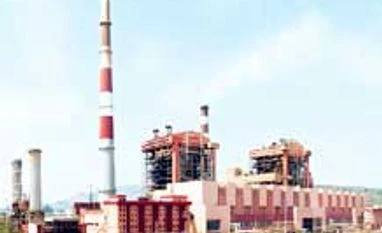 "Tata Power may soon divest over $1 bn stake in Indonesian mines")


