Tatas let go of hotel chain bid
Cite unfavourable economic scenario, changed priorities to drop $1.2-bn bid for Orient-Express luxury chain
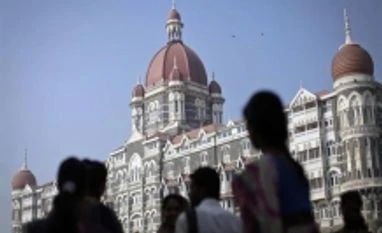
BS Reporter Mumbai After a bitter public battle through the past six years, the Tatas have finally scrapped their $1.2-billion bid for Bermuda-based luxury hotel chain Orient-Express, citing the unfavourable economic environment, other opportunities and changed priorities.
After a board meeting here on Friday, Tata group company Indian Hotels announced all contracts entered into to facilitate the Orient-Express bid had been cancelled.
Orient-Express has 45 properties across 22 countries. These properties include hotels, tourist trains, restaurants and cruise ships. Indian Hotels owns 6.9 per cent stake in Orient Express. So far, it has invested about Rs 1,000 crore in buying these shares.
| HOW IT UNFOLDED |
- September 2007: Tatas buy 12% stake for $211 million in Orient-Express, make a takeover offer
- December 2007: Orient-Express rejects Tata offer
- October 2012: Tatas offer to buy Orient-Express for $1.2 billion
- November 2012: Orient-Express rejects Tata offer, saying it’s too cheap
- November 2013: Tatas scrap plans to buy Orient Express
|
“Indian Hotels and Samsara (a group company) continue to remain a significant investor in Orient-Express and intend to monitor and review their investment in the company on a regular basis and may, at any time and from time to time, seek to engage into discussions with Orient-Express regarding its investment,” Indian Hotels, operators of the Taj group of hotels, said in a filing with the US regulator, Securities and Exchange Commission. The company said it would continue to look for opportunities for its seven per cent investment in Orient-Express.
For the Tatas, the Orient-Express bid didn’t fare well ever since it had acquired 11.85 per cent stake in the company for about $211 million in 2007. Soon, Orient-Express shares lost value due to the global slowdown, and the Tatas’ investment shrank considerably.
In 2007, the Tatas had bought Orient shares at $42 apiece; currently, the shares stand at $14.71 apiece.
In October 2012, the Tatas made another offer for the company, at $12.63 a share, which was promptly rejected by the Orient-Express board. This was the second time Orient-Express board had snubbed the Tatas, saying the offer was “too cheap”.
In its offer last year, Indian Hotels had proposed a group managed by Luca Cordero di Montezemolo, chairman of Italian sports carmaker Ferrari and a close friend of former Tata Sons chairman Ratan Tata, would invest $100 million for a minority stake in the combined company.
According to the plan, Indian Hotels would contribute $650 million in cash for the remaining 93 per cent stake in Orient-Express, while the remaining amount would be funded by other Tata group entities and debt from banks. Indian Hotels was to assume Orient-Express’ debt, which stood at $529.5 million as on June 30, 2012.
However, on November 9, Orient-Express rejected the offer, saying it was better off as a standalone firm. “The Indian Hotels proposal...is deeply unattractive from a financial perspective,” Orient-Express Chairman Robert Lovejoy had said in a statement.
“The board believes the current macroeconomic environment, conditions in the luxury hotel business and factors unique to Orient-Express would make this a highly disadvantageous time to sell the company to realise its true value,” Lovejoy wrote in his rejection letter to Indian Hotels.
Orient-Express had a dual-class share structure that prevented Indian Hotels from making any attempt at a hostile takeover.

 "Tatas let go of hotel chain bid")


 Connect with us on WhatsApp