
To shift to low-carbon energy Shell to cut up to 9,000 jobs in new plan
Shell, which had 83,000 employees at the end of 2019, said that the reorganisation will lead to annual savings of $2 billion to $2.5 billion by 2022
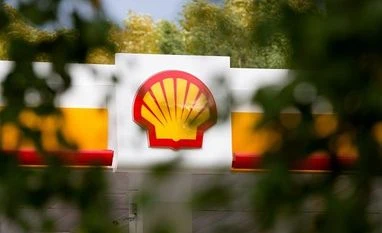 "To shift to low-carbon energy Shell to cut up to 9,000 jobs in new plan")
Explore Business Standard

Associate Sponsors
Co-sponsor
Shell, which had 83,000 employees at the end of 2019, said that the reorganisation will lead to annual savings of $2 billion to $2.5 billion by 2022
By Ron Bousso
LONDON (Reuters) - Royal Dutch Shell announced on Wednesday plans to cut up to 9,000 jobs, or over 10% of its workforce, as part of a major overhaul to shift the oil and gas giant to low-carbon energy.
Shell, which had 83,000 employees at the end of 2019, said that the reorganisation will lead to annual savings of $2 billion to $2.5 billion by 2022.
Last month it launched a broad review of its business aimed at cutting costs as it prepares to restructure its operations as part of the shift to low-carbon energy.
The Anglo-Dutch company said it expected to cut 7,000 to 9,000 jobs by the end of 2022, including some 1,500 people who have agreed to take voluntary redundancy this year.
Rival BP this year announced plans to cut around 10,000 jobs as part of CEO Bernard Looney's plans to rapidly expand its renewables business and reduce oil and gas production.
Reducing costs is vital for Shell's plans to move into the power sector and renewables where margins are relatively low.
Competition is also likely to intensify with utilities and rival oil firms including BP and Total all battling for market share as economies around the world go green.
FUEL SALES RECOVERY
In an operations update, Shell also said its oil and gas production was set to drop sharply in the third quarter to around 3,050 barrels of oil equivalent per day due to lower output as a result of the coronavirus pandemic and hurricanes that forced offshore platforms to shut down.
Shell, the world's largest fuel retailer, saw a recovery in fuel sales in the third quarter from lows hit in the previous quarter as some countries gradually emerged from lockdown measures.
In the second quarter, Shell narrowly avoided its first quarterly loss in recent history, helped by a booming trading business. It however announced nearly $16.8 billion in impairment charges after sharply lowering its outlook for oil and gas prices in the wake of the pandemic.
Shell said it will take another impairment charge of $1 to $1.5 billion in the third quarter.
(Reporting by Ron Bousso; editing by Louise Heavens and Jason Neely)
(Only the headline and picture of this report may have been reworked by the Business Standard staff; the rest of the content is auto-generated from a syndicated feed.)
First Published: Sep 30 2020 | 12:25 PM IST

