Biocon Ltd, the only Indian drugmaker to win approval to sell copies of a biologic drug in the US, expects its business in that nascent sector will generate $1 billion in revenue by 2025 as it clears further regulatory hurdles this year.
The company’s other leading drug candidates are back on track for approval after hiccups in the U.S. and Europe, said Managing Director Kiran Mazumdar-Shaw in an interview. Biocon is also exploring the sale of part of its stake in its publicly traded contract research arm, Syngene International Ltd., to fund its growing ambitions in the biologics business, she said. The stake is worth about $1.2 billion.
Three more approvals Biocon now expects this year in the U.S. and Europe would expand its presence in the pioneering field of biosimilars -- cheaper copies of biologic drugs that promise a new way to cut health-care costs and put billions of dollars in sales now going to brand name medicines up for grabs.
With its partner Mylan NV, Bengaluru-based Biocon holds one of just nine coveted approvals for a biosimilar product in the U.S. The company intends to build on its early lead, Mazumdar-Shaw said, plowing its biosimilars revenue into developing a broader portfolio of the medicines with Mylan and a new partnership with Novartis AG.
U.S. authorities have told the company they will decide by June on Biocon’s application to sell a version of Amgen Inc.’s multi-billion dollar chemotherapy drug Neulasta, after approval was delayed last year by a request for more information, she said.
Mazumdar-Shaw also said she’s expecting the European drug regulator to re-inspect Biocon’s Bengaluru facility sometime this month, opening the possibility the company’s versions of both Neulasta and Roche Holding AG’s blockbuster cancer drug Herceptin could win European approval by September. Biocon had to withdraw its European applications in August after authorities found problems at the plant in Bengaluru, formerly known as Bangalore, that required correcting.
"We have at least a five-year head start" in biosimilars compared with other Indian drugmakers, Mazumdar-Shaw said. “Now you’re seeing the market opportunity.” Profit from Biocon’s version of Herceptin, already approved in the U.S., should start to hit in about two years, she said.
That may not be fast enough as Biocon’s current slate of drugs in development will need about $1 billion in investment at around the same time. The company is exploring fund-raising options, including selling some of its 73 percent stake in Syngene International, or allowing investors to buy a stake in its biosimilars subsidiary directly through a public offering, she said.
Bloomberg

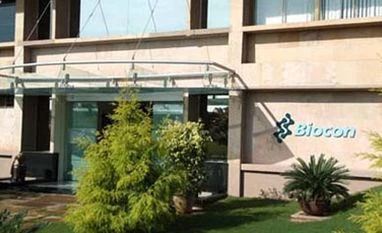 "USFDA approvals can unlock $1 bn biosimilar business for Biocon in the US")












 Connect with us on WhatsApp