Viability woes cloud sustainable packaging initiative of e-commerce firms

This comes at a time when the government and individual retailers look for options to curb the use of single-use plastic
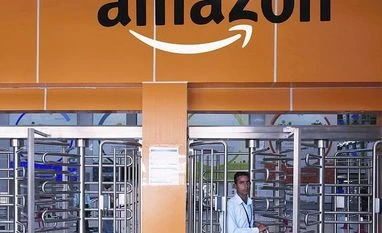
Amazon
Romita Majumder Mumbai
4 min read Last Updated : Sep 22 2019 | 12:05 AM IST
E-commerce stakeholders are increasingly recognising the need to make sustainable packaging viable for small businesses that supply products to these platforms, in order to achieve targets. This comes at a time when the government and individual retailers look for options to curb the use of single-use plastic.

The biggest consumers of single-use plastic continue to be across retail, e-commerce, hospitality, FMCG, and food delivery networks. Ahead of the sales season, firms are gearing up to reduce visibility of plastic (especially single-use). Apparel packaging contributes to a major chunk of this consumption for e-commerce platforms.

Akhil Saxena, vice-president (customer fulfillment), Amazon India, said that even though the company has taken a number of initiatives — including offering to deliver products in the seller’s original packaging — reducing single-use plastic requires long-term efforts. 

“Through deeper engagement with larger sellers on the platform, we have enabled delivery in the seller’s own packaging (across select categories) to reduce additional plastic. However, ensuring that the sellers themselves use more sustainable material will take more time,” said Saxena. 

He also said the e-commerce giant is ensuring the packaging material for warehouses and fulfillment centres are supplied by manufacturers from nearby towns and villages, to reduce the carbon footprint. 

Earlier in the week, Amazon India announced its commitment to eliminate single-use plastic from its packaging by June 2020. 

The company is replacing plastic dunnage material such as air pillows and bubble wraps, with recyclable ‘paper cushions’ across its fulfilment centers in India to protect the products that are in transit. 

This solution has already been launched in select fulfilment centers (FC) and will be extended across all FCs of Amazon in the country by the end of the year.

India’s plastic industry recorded an annual revenue of Rs 3.5 trillion in FY19. 

According to a recent Bloomberg report, globally Amazon.com’s greenhouse gas emission last year was more than many of its competitors across retail, technology, and logistics sectors, though it was below that of rival Walmart. 

Walmart-owned company Flipkart outlined its vision to eliminate single-use plastic, claiming that as of August 1, 2019, it had achieved 25 per cent reduction through various initiatives across its packaging value chain. 

The e-commerce firm says it is working on various initiatives, including the introduction of eco-friendly paper shreds, replacing poly pouches with recycled paper bags, replacing bubble wraps and airbags with carton waste shredded material and 2 Ply roll, to name a few.

Flipkart has also filed for an EPR (extended producer responsibility) and is targeting 30 per cent collection back in the first year, to begin with. Amazon also launched a similar initiative across the country in September, after piloting it in Maharashtra last year. 

The cost of sustainable options such as fabric, jute, wood, and plant-based material continues to be a hurdle for the actual implementation in the lowest rung of the supply chain.

“Six months back, the cost of wooden cutlery was four times that of the plastic cutlery. We have already managed to bring it down by 

2.5 times with better demand, and hope to reduce it further. However, the smallest businesses, such as street food vendors, are yet to find it viable enough to come on board,” said Sachin Agrawal, co-founder and chief operating officer of Bizongo — a marketing platform for packaging solutions. 

Bizongo’s clients include Myntra, Flipkart, Reliance Retail, Amazon.in, and Agarwal Packers and Movers, among others.

Agrawal said that the startup is working to aggregate re-cyclers and suppliers to ensure a circular economy for materials passing through the platform.

In the pack
 
  • E-commerce platforms have been announcing sustainability initiatives ahead of sale season
  • Cost of recyclable and natural material-based products a deterrent for small scale suppliers
  • Firms partnering with recycling entities to push agenda further
     

One subscription. Two world-class reads.

Already subscribed? Log in

Subscribe to read the full story →
*Subscribe to Business Standard digital and get complimentary access to The New York Times

Smart Quarterly

₹900

3 Months

₹300/Month

SAVE 25%

Smart Essential

₹2,700

1 Year

₹225/Month

SAVE 46%
*Complimentary New York Times access for the 2nd year will be given after 12 months

Super Saver

₹3,900

2 Years

₹162/Month

Subscribe

Renews automatically, cancel anytime

Here’s what’s included in our digital subscription plans

Exclusive premium stories online

  • Over 30 premium stories daily, handpicked by our editors

Complimentary Access to The New York Times

  • News, Games, Cooking, Audio, Wirecutter & The Athletic

Business Standard Epaper

  • Digital replica of our daily newspaper — with options to read, save, and share

Curated Newsletters

  • Insights on markets, finance, politics, tech, and more delivered to your inbox

Market Analysis & Investment Insights

  • In-depth market analysis & insights with access to The Smart Investor

Archives

  • Repository of articles and publications dating back to 1997

Ad-free Reading

  • Uninterrupted reading experience with no advertisements

Seamless Access Across All Devices

  • Access Business Standard across devices — mobile, tablet, or PC, via web or app

Topics :e-commerce policyE-commerce firmse-commerce industry

Next Story


