3 min read Last Updated : May 10 2022 | 1:50 AM IST
The slide in the rupee was expected, given several trends. The USD is hardening as a result of the Fed’s actions. Foreign portfolio investor (FPI) selling continues. While export growth is good, the trade deficit has expanded, due in part to higher energy prices and partly due to a larger general import bill as the economy recovers. A weaker rupee has some benefits especially given that the yuan has dropped in value. It offers some protection against cheap imports and it makes exporters more competitive.
As a consequence, investors will be revaluing export-oriented sectors, which will gain in competitiveness and also deliver potentially higher revenues and profits when reckoned in rupee terms. Investors will also be looking to cut exposure to import-intensive businesses since these will incur larger rupee-denominated costs.
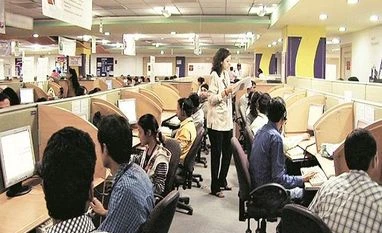
The IT sector could be an obvious beneficiary. It is seen as a traditional hedge against currency weakness. Moreover, IT companies tend to be asset-light and low-debt, which is also a positive in a regime where interest rates are travelling higher.
The IT industry had suffered a downgrade after Q4 results started coming in. The IT sector index suffered a sharp correction starting in late March and continuing through April despite reasonably optimistic guidance and good results. The Ukraine War has led to a downgrade of global growth prospects. This may lead to the postponement of discretionary spends, lower tech budgets and slower digitisation. In addition, IT firms have all complained about tighter margins and greater churn, adversely impacting profits. Infosys for instance, experienced a sell off due to lower operating margins in Q4, and TCS also failed to meet profit expectations. Gartner reduced its global forecast of calendar year IT spending, which is now expected to grow at 4 per cent (versus 5.1 per cent earlier) and it expects specifically the IT services segment to grow at 6.8 per cent (versus earlier expectations of 7.9 per cent).
Given elevated consensus expectations and valuations, the industry was very vulnerable to downgrades. Smaller IT firms got hit harder since they usually receive valuations at premium to the bigger Tier-1 firm. The Nifty IT index (which covers the 10 biggest listed IT companies) was trading at a current PE (past four quarters) of 31x by mid-April, (which was still well above the long-term average of 18x PE for the sector). After a 14 per cent correction in the last month, the IT Index is trading at PE 29x.
The falling rupee could lead to a reversal of that valuations downgrade. The last few sessions has seen the IT index outperforming the Nifty by losing only 1.3 per cent while the broad market has lost 4.5 per cent. There’s also signs that the IT index could be bottoming out at the current level.
The industry could remain under pressure since there are key risks such as the possibility of substantial cuts in technology spends by large Fortune 500 clients, lower-than-expected large deal wins, stricter immigration laws, and continuing churn at top and mid-level. But favourable currency movements could counter-balance some of those possibilities. Management commentary and guidance at most IT firms seems to be fairly confident about the future despite the negative developments since the Ukraine War.