With WHO backing, SII to ship Astra Covid-19 vaccine to 70 countries

After audit of Pune plant, Serum may supply vaccines to UK as well
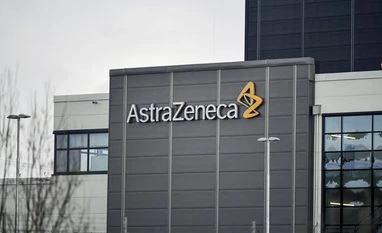
AstraZeneca
SII and AstraZeneca will now work with the Gavi and WHO-led COVAX Facility to begin supplying the vaccine around the world
Sohini Das Mumbai
4 min read Last Updated : Feb 17 2021 | 6:10 AM IST
After Pune-based Serum Institute of India (SII) got emergency-use licence (EUL) from the World Health Organization (WHO), it will now export the AstraZeneca/Oxford vaccine (local version is known as Covishield) to around 67-70 countries. Its Novavax vaccine candidate (which it is also manufacturing) will be exported to over 90 countries. Earlier South Africa had rejected the AstraZeneca vaccine, saying it did not work against the country-specific coronavirus strain.

A team from the British drug regulator’s office visited SII’s Pune facility earlier this week for an audit, claimed sources close to the development. “This could lead to SII supplying the AstraZeneca vaccine to the UK,” said a person in the know. AstraZeneca is facing supply constraints in the European Union and shipments from SII could come in handy.

If the Medicines and Healthcare products Regulatory Agency (MHRA) approves the manufacturing process of SII, it could also open doors for the vaccine to be shipped to countries other than the UK — those that recognise MHRA approval.

SII withheld comment till the time of going to press.

Meanwhile, the WHO EUL enables the AstraZeneca vaccine made by SII — the world’s largest vaccine maker by doses — global access during the pandemic.

The EUL allows for two doses of the vaccine to be given at an interval of four to 12 weeks to individuals 18 years of age and older, including those over 65.

“The WHO’s Strategic Advisory Group of Experts on Immunization (SAGE) recommended a dosing interval of eight to 12 weeks. In addition, it also recommended use of the vaccine in countries where new variants, including the South African B1.351 variant, are prevalent,” said a press statement.

WHO’s EUL assesses the quality, safety, and efficacy of Covid-19 vaccines and is a prerequisite for COVAX Facility vaccine supply. It also allows countries to expedite their own regulatory approval to import and administer Covid vaccines.

Covid-19 Vaccines Global Access, abbreviated as COVAX, is a global initiative aimed at equitable access to Covid vaccines, led by the Global Alliance for Vaccines and Immunization (Gavi), WHO, the Coalition for Epidemic Preparedness Innovations, and others.


SII and AstraZeneca will now work with the Gavi and WHO-led COVAX Facility to begin supplying the vaccine around the world. A majority of the production will go to low- and medium-income countries.

Adar Poonawalla, chief executive officer of SII, said that with WHO’s EUL, it will be able to start deliveries to African and other low- and middle-income countries immediately. “Countries with a large population must be protected as soon as possible,” said Poonawalla.

“In the first half of 2021, it is hoped that more than 300 million doses of the vaccine will be made available to 145 countries through COVAX, pending supply and operational challenges. These doses will be allocated equitably, according to the COVAX Allocation Framework,” a statement from AstraZeneca said on Tuesday.

According to the interim distribution forecast released by COVAX earlier this month, India will get around 97 million doses of the AstraZeneca vaccine made by SII. As of now, COVAX has not allotted the Pfizer-BioNTech vaccine for India.  

The document highlights that India is in line to receive around 97,164,000 doses of the AstraZeneca vaccine licensed to SII in the first and second quarter of 2021.

The COVAX plan states how the 240 million doses of the AstraZeneca/Oxford vaccine will be distributed across countries, as well as the 1.2 million doses of the Pfizer-BioNTech vaccine.

As for the AstraZeneca/Oxford vaccine, which is licensed to SII, delivery is estimated to begin in late February. It was subject to WHO approval, which has now come through. Around 35-40 per cent of the doses will be available in the first quarter, while 60-65 per cent will be available in the second quarter.

One subscription. Two world-class reads.

Already subscribed? Log in

Subscribe to read the full story →
*Subscribe to Business Standard digital and get complimentary access to The New York Times

Smart Quarterly

₹900

3 Months

₹300/Month

SAVE 25%

Smart Essential

₹2,700

1 Year

₹225/Month

SAVE 46%
*Complimentary New York Times access for the 2nd year will be given after 12 months

Super Saver

₹3,900

2 Years

₹162/Month

Subscribe

Renews automatically, cancel anytime

Here’s what’s included in our digital subscription plans

Exclusive premium stories online

  • Over 30 premium stories daily, handpicked by our editors

Complimentary Access to The New York Times

  • News, Games, Cooking, Audio, Wirecutter & The Athletic

Business Standard Epaper

  • Digital replica of our daily newspaper — with options to read, save, and share

Curated Newsletters

  • Insights on markets, finance, politics, tech, and more delivered to your inbox

Market Analysis & Investment Insights

  • In-depth market analysis & insights with access to The Smart Investor

Archives

  • Repository of articles and publications dating back to 1997

Ad-free Reading

  • Uninterrupted reading experience with no advertisements

Seamless Access Across All Devices

  • Access Business Standard across devices — mobile, tablet, or PC, via web or app

Topics :Coronavirus VaccineSerum Institute of IndiaAstraZenecaWHO

Next Story


