Home / India News / AAP govt to improve public health care system
AAP govt to improve public health care system
Ahead of the its first anniversary, AAP announces that from Feb 1, all patients at Delhi's government hospitals will not be turned back for unavailability of medicines
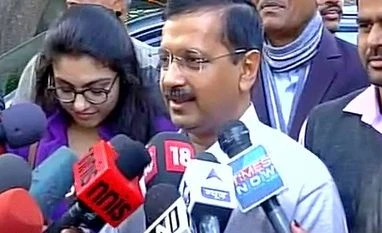
Delhi CM Arvind Kejriwal declares the first day of the odd-even vehicle scheme a success. Photo ANI
The Aam Aadmi Party (AAP)-led Delhi government is gearing up to provide better health care services for the common man.
The government has announced that from February 1, it would ensure that patients at government hospitals would not be turned away because of unavailability of medicines. The government would launch a helpline where people can report shortage of medicines and send a copy of the prescription via WhatsApp.
The state government also plans to make health care more affordable by waiving user charges levied on diagnostic tests. The health department will come out with a revised list next week.
Chief Minister Arvind Kejriwal said, “2016 will be the year of health and education for Delhiites.”
Government sources said the plan was ambitious, as it required ensuring no shortage of medicines and consumables mentioned in the Essential Drug List in each of the 39 government hospitals. The AAP government wants to change the perception of government hospitals being places where patients are harassed, a government official said.
The CM met medical superintendents and chief medical officers of Delhi government hospitals on Monday. He gave them three weeks to get medicine stocks in order. He plans to launch the helpline a fortnight before the first anniversary of the AAP government.
“Patients always complain about not getting medicines at government hospitals. From February 1, no patient will be told that medicines are out of stock. We will ensure 100 per cent availability of medicines and consumables,” Kejriwal said.
Health Minister Satyender Jain had said the government wanted to take health care to the grassroots by doubling the number of mohalla clinics to 1,000 by this year-end.

 "AAP govt to improve public health care system")


 Connect with us on WhatsApp