Airport Metro accounts not to be declared NPA until further orders: SC

Account would have turned NPA on June 30, top court to next hear the matter in July
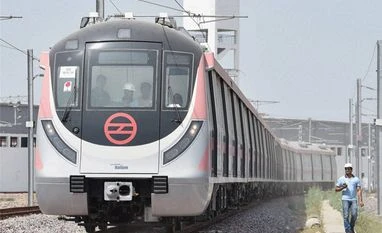
delhi metro
Aashish AryanAgencies New Delhi
3 min read Last Updated : Apr 22 2019 | 9:33 PM IST
The Supreme Court on Monday said that the accounts of Anil Ambani-led Reliance Infrastructure’s (RInfra’s) arm, Delhi Airport Metro Express Private Limited (DAMEPL), would not be declared a non-performing asset (NPA) until further orders. The top court was hearing a plea moved by RInfra arm in which it said that as the Delhi Metro Rail Corporation (DMRC) was the one earning revenues from the operations of the Airport Express metro line, it should be the one servicing the debts of nearly Rs 1,500 crore.

DMRC, on the other hand, contended that it had been forced to operate the metro only after RInfra had abandoned the project mid-way during operations.

The accounts of Airport Metro would have turned NPA on June 30. While ordering a stay on declaration of NPA, the court said it would hear the matter in July. DAMEPL had borrowed from 11 banks -- Axis Bank, UCO Bank, Punjab and Sind Bank, Andhra Bank, Central Bank of India, Dena Bank, Allahabad Bank, Canara Bank, Bank of India, IIFC UK and Canara Bank London -- to carry out operations on the line.

In January this year, the Delhi High Court had set aside Rs 4,500-crore arbitration award in favour of Reliance Infrastructure subsidiary DAMEPL, which had pulled out from running the Airport Express metro line over safety issues, saying that the arbitral tribunal had not considered that the tracks were certified as safe for commercial operations.

An arbitral tribunal in its May 2017 award had accepted DAMEPL's claim that the running of operations on the line was not viable due to structural defects in the viaduct through which the train would run.

According to the agreement between the two, if the contract to run the Airport metro line was terminated due to DAMEPL's fault, DMRC would have to pay 80 per cent of the debt. On the other hand, if the contract was terminated due to DMRC's fault, then theit would have to pay 100 per cent of the debt and 130 per cent of the equity. The Airport Express line was commissioned on February 23, 2011 after an investment of over Rs 2,885 crore, funded by the DAMEPL's promoters' fund, banks and financial institutions.

DMRC in its appeal had said that it has been running the airport line since June 2013 when DAMEPL had "abandoned" the project despite repairs of structural defects in November 2012. DAMEPL, on the other hand, has claimed that the CMRS certificate was granted with the conditions that the trains have to be run at reduced speeds and frequency, which would make the operations commercially unviable for it.

One subscription. Two world-class reads.

Already subscribed? Log in

Subscribe to read the full story →
*Subscribe to Business Standard digital and get complimentary access to The New York Times

Smart Quarterly

₹900

3 Months

₹300/Month

SAVE 25%

Smart Essential

₹2,700

1 Year

₹225/Month

SAVE 46%
*Complimentary New York Times access for the 2nd year will be given after 12 months

Super Saver

₹3,900

2 Years

₹162/Month

Subscribe

Renews automatically, cancel anytime

Here’s what’s included in our digital subscription plans

Exclusive premium stories online

  • Over 30 premium stories daily, handpicked by our editors

Complimentary Access to The New York Times

  • News, Games, Cooking, Audio, Wirecutter & The Athletic

Business Standard Epaper

  • Digital replica of our daily newspaper — with options to read, save, and share

Curated Newsletters

  • Insights on markets, finance, politics, tech, and more delivered to your inbox

Market Analysis & Investment Insights

  • In-depth market analysis & insights with access to The Smart Investor

Archives

  • Repository of articles and publications dating back to 1997

Ad-free Reading

  • Uninterrupted reading experience with no advertisements

Seamless Access Across All Devices

  • Access Business Standard across devices — mobile, tablet, or PC, via web or app

Next Story



