Army looking at larger talent pool, younger officers for crucial tasks
The top brass of the Army has also decided to sternly tackle incidents of indiscipline
Press Trust of India New Delhi The Army has started implementing reforms aimed at readying a larger talent pool for crucial tasks and bringing down the age of those commanding key formations including along the borders with China and Pakistan.
Top sources in the defence establishment said the idea behind the reform initiative was to bring down the age of commands at all levels and ensure deploying the "right person for the right job" in a timely manner.
"We also want longer tenures of brigade commanders, divisional commanders and core commanders," a top military official told PTI, explaining the implementation of a new promotion policy as part of the overall reform initiative. The Army has begun putting the measures into effect.
The issue was discussed extensively at a meeting of top commanders of the Army last year when it was also decided that the organisation's human resource policy would be reoriented.
"The aim of the initiative is to improve overall functioning of the Army," the official said.
The sources said as part of the new promotion policy, selections for key assignments had been widened to encourage young officers and increase their motivation levels besides ensuring longer tenures at the level of command and director general.
The world's second largest standing Army has been undertaking a series of reforms and procuring various weapon systems to bolster its overall capabilities in the wake of evolving security threats including on India's borders with Pakistan and China.
"The broader aspect of the initiative is to having a bigger talent pool of young officers. A wider selection process is expected to result in better motivational levels among the officers," said the official, refusing to delve any deeper into the initiative.
The sources said under the new policy, corps commanders may be promoted as army commanders if they have at least 18 months of tenure left in their service as against the previous requirement of 24 months.
They said the top brass of the Army has also decided to sternly tackle incidents of indiscipline.
In August last year, the government had announced major reforms in the Indian Army such as redeployment of nearly 57,000 officers and other ranks as well as ensuring better utilisation of resources.
The reform initiatives were prescribed by a committee headed by Lt Gen DB Shekatkar (retd) which had a mandate to recommend measures for enhancing combat capability and re-balancing the defence expenditure of the armed forces to increase the "tooth to tail ratio".
The ratio refers to the amount of supply and support personnel (termed tail) for each combat soldier (or tooth).

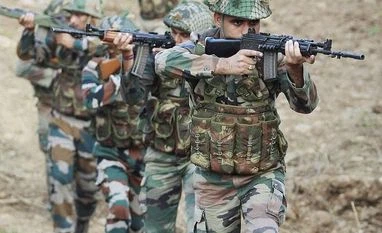 "Army looking at larger talent pool, younger officers for crucial tasks")


 Connect with us on WhatsApp