
Climate change could cost India 2.8% of GDP by 2050, says World Bank
If no measures are taken, average temperatures in India are predicted to increase by 1.5-3 degrees
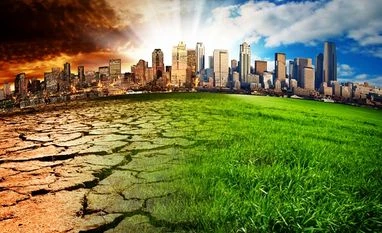 "Climate change could cost India 2.8% of GDP by 2050, says World Bank")
Explore Business Standard

Associate Sponsors
Co-sponsor
If no measures are taken, average temperatures in India are predicted to increase by 1.5-3 degrees
Climate change could cost India 2.8 per cent of GDP, and depress living standards of nearly half of its population by 2050, as average annual temperatures are expected to rise by 1-2 per cent over three decades, a World Bank report said on Thursday.
If no measures are taken, average temperatures in India are predicted to increase by 1.5-3 degrees, said the World Bank report titled 'South Asia's Hotspots: The Impact of Temperature and Precipitation Changes on Living Standards'.
"Rising temperatures and changing monsoon rainfall patterns from climate change could cost India 2.8 per cent of GDP and depress the living standards of nearly half the country's population by 2050," the report said.
ALSO READ: Why India needs to urgently worry about migration caused by climate change
Even if preventive measures are taken along the lines of those recommended by the Paris climate change agreement of 2015, India's average annual temperatures are expected to rise by 1-2 degrees celsius by 2050, the report said.
According to it, almost half of South Asia's population, including India, now lives in the "vulnerable areas" and will suffer from declining living standards that could be attributed to falling agricultural yields, lower labour productivity or related health impacts.
About 600 million people in India today live in locations that could either become moderate or severe hotspots of climate change by 2050 under a business-as-usual scenario.
States in the central, northern and north-western parts of India emerge as most vulnerable to changes in average temperature and precipitation.
By 2050, Chhattisgarh and Madhya Pradesh are predicted to be the top two climate hotspot states and are likely to experience a decline of more than 9 per cent in their living standards, followed by Rajasthan, Uttar Pradesh and Maharashtra, the report said.
Seven out of the top 10 most-affected hotspot districts will belong to the Vidarbha region of Maharashtra.
"These weather changes will result in lower per capita consumption levels that could further increase poverty and inequality in one of the poorest regions of the world, South Asia," said Muthukumara Mani, Lead Economist World Bank while presenting the report here.
He said identifying hotspots will help policymakers in finding specific locations and household types where the resources are needed the most to address the rising risk to living standards.
The report provides options to prioritise investments and strategies to build local resilience to climate change.
To offset the negative economic impact in India, the report suggests enhancing educational attainment, reducing water stress, and improving job opportunities in the non-agricultural sectors.
It also predicts that a 30 per cent improvement on these measures could halt the decline in living standards by almost 1 per cent from 2.8 per cent to 1.9 per cent.
First Published: Jun 29 2018 | 2:51 AM IST

