CMC Vellore calls for volunteers for Covaxin vaccine booster dose trials

The findings for recipients of Covishield will be released along with those with Covaxin trial data once the study for both vaccines is over
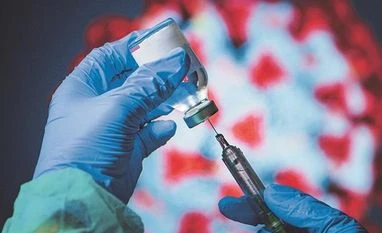
Covaxin
Pune-based Serum Institute of India (SII) has already sought approval for a Covishield booster dose
Ruchika Chitravanshi New Delhi
4 min read Last Updated : Dec 13 2021 | 6:03 AM IST
In India’s first clinical study being conducted for booster doses, the Christian Medical College (CMC) in Vellore is looking to recruit volunteers who have taken both the doses of Covaxin, three to six months ago. 

In August, the Drug Controller General of India (DCGI) had given its approval to CMC Vellore to conduct the clinical trials for booster doses. The institute was easily able to recruit 200 participants who had taken Covishield but has not been able to find an equal number of people vaccinated with Covaxin for the third jab. 

“It is understandable since almost 88 per cent of the vaccines given in India are Covishield. The response has been very slow among Covaxin takers,” Gagandeep Kang, professor of Microbiology at CMC Vellore, told Business Standard. 

Kang took to Twitter on Saturday to spread the word about the trial to get more Covaxin vaccinated volunteers. “Need volunteers for a clinical trial. People with two doses of Covaxin, three-six months ago, are eligible to enroll in a booster dosing study,” she tweeted.

Currently, the trial is open to those residing in Vellore, Chennai, Bengaluru or Delhi. People willing to consider participating in these trials can send an email to mnm.cmcvellore@gmail.com, she announced through Twitter.

Kang also clarified that the trial will be randomised and blinded. Participants can get a different vaccine as a booster dose than the one they were fully vaccinated with. 

The findings for recipients of Covishield will be released along with those with Covaxin trial data once the study for both vaccines is over. 

“The sooner we recruit, the sooner data will be available! Needs a month after all recruitment is complete for the first complete set of samples and a week after that [to] finish testing,” Kang tweeted in reply to a question on how long the process would take.

The study would not only measure the antibody levels after the booster dose in the participants but also the T-cell response. The T-cell, or the memory cell, response shows longer lasting immunity.  

The study is funded by CMC Vellore, which has been buying the vaccines from the companies directly. “The companies have been very cooperative and made the vaccine batches available with a delayed expiry. We do not want to be influenced by any of the vaccine makers, hence this is an independent study,” Kang said. 

Pune-based Serum Institute of India (SII) has already sought approval for a Covishield booster dose. On December 10, the subject expert committee examining SII’s booster dose application asked the vaccine maker to submit local clinical trial data and proposal along with a justification for the approval. 

SII had cited UK's Medicines and Healthcare Products Regulatory Agency giving a go-ahead to the booster doses of AstraZeneca ChAdOx1 nCoV-19 vaccine in its application. 

“While there is data available for Covishield, we do not have enough data for Covaxin,” Kang said. To a comment expressing scepticism over volunteering for the booster dose trial and asking why they should be “guinea pigs”, she replied, “Just FYI. I am a volunteer in a SARS-CoV2 vaccine study and so are several friends and family, including my mother. Ready and willing to be, and have my family be, figurative guinea pigs any time if it advances our scientific knowledge, potentially helping others.”

COV-BOOST, funded by the UK’s National Institute for Health Research, was the first study in the world to provide vital data on the impact of a third vaccine dose on patients’ immune responses. The initial findings showed a substantial increase in vaccine-induced immune responses with a booster dose, particularly in the mRNA vaccine. India currently does not have an mRNA vaccine. The country’s first such vaccine is being developed by Pune-based Genova in collaboration with Seattle-based HDT Biotech Corporation.

One subscription. Two world-class reads.

Already subscribed? Log in

Subscribe to read the full story →
*Subscribe to Business Standard digital and get complimentary access to The New York Times

Smart Quarterly

₹900

3 Months

₹300/Month

SAVE 25%

Smart Essential

₹2,700

1 Year

₹225/Month

SAVE 46%
*Complimentary New York Times access for the 2nd year will be given after 12 months

Super Saver

₹3,900

2 Years

₹162/Month

Subscribe

Renews automatically, cancel anytime

Here’s what’s included in our digital subscription plans

Exclusive premium stories online

  • Over 30 premium stories daily, handpicked by our editors

Complimentary Access to The New York Times

  • News, Games, Cooking, Audio, Wirecutter & The Athletic

Business Standard Epaper

  • Digital replica of our daily newspaper — with options to read, save, and share

Curated Newsletters

  • Insights on markets, finance, politics, tech, and more delivered to your inbox

Market Analysis & Investment Insights

  • In-depth market analysis & insights with access to The Smart Investor

Archives

  • Repository of articles and publications dating back to 1997

Ad-free Reading

  • Uninterrupted reading experience with no advertisements

Seamless Access Across All Devices

  • Access Business Standard across devices — mobile, tablet, or PC, via web or app

Topics :VaccineCoronavirus VaccineVaccination

Next Story


