Another potential leader of the west, German Chancellor Angela Merkel, spent most of the year hobbled by an open revolt within her party, the Christian Democratic Union, and its Bavarian sister party, the Christian Social Union. The conservative rebels paralyzed the government demanding tougher immigration policies and forcing Merkel into exhausting backroom battles that left her drained, sometimes even apathetic. The Union performed badly in two important state elections, and Merkel was forced to give up the party leadership. Though her chosen successor, Annegret Kramp-Karrenbauer, won the leadership election earlier this month, beating the more conservative Friedrich Merz, the split in the party hasn't been healed and a lame-duck Merkel hasn't acted as though the lifted burden of party politics has freed her up to be more assertive as chancellor. The best she's been able to do is ensure stability, which looks to many Germans like stagnation at a time when the country is falling behind others in technology and underinvesting in areas such as education and infrastructure.

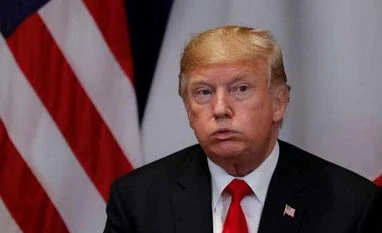 "From Trump to Theresa May, here is the list of the woeful leaders of 2018")









