Housemaid’s knee or prepatellar bursitis is caused by kneeling for long periods or repetitive knee movements. In this condition, the fluid builds up in the bursa (the sac of fluid that cushions the knee joints), resulting in swelling behind the knee called ‘Baker’s cyst’. It can also be caused by injuries or arthritis.
Bursitis is generally an inflammation of a bursa, a small sac of fluid with a thin lining. Our body has a number of bursae, which are generally found in places where there has been unusual pressure or friction and where tendons and ligaments pass over the bones. The function of the bursa is to reduce friction, allowing maximum motion around the joints. Generally, there are four bursae around the knee joints, however, the one in between the skin and the kneecap is most commonly affected.
A number of factors contribute to the problem. Although, extended or continued pressure on the bursa in front of the knee is the main cause of the problem, other factors can also cause housemaid’s knee such as a sudden injury to the knee, recurrent minor injury to the knee, infections and other inflammatory diseases. People who have gout or Pseudogout are at higher risk of developing bursitis. The problem of gout is characterised by a buildup of uric acid crystals in the joints resulting in pain, inflammation, and swelling.
The first and foremost symptom of the problem is severe pain and swelling in the knee. The person may notice redness of the skin over the knee or tender kneecap. The person may also experience difficulty in bending the knee, kneeling and can develop fever (especially if the problem is caused by infection).
The type of the treatment depends on the severity of infection. It is usually cured with antibiotics. In case the pain is mild, NSAIDs (Non-steroidal anti-inflammatory drugs) are the best solution. Increased swelling may require removal of infected fluid by making a small incision. More severe cases may require a keyhole surgery - removal of prepatellar bursa, Supportive treatment includes use of ice packs, knee pads and specific exercises.
Next week: Safety measures for testing glucose levels at home

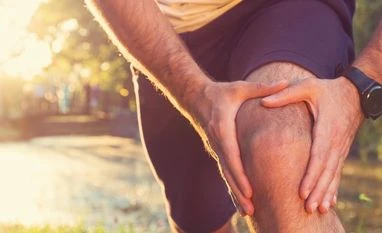 "Housemaid's knee - are you a victim? Find out here")












 Connect with us on WhatsApp