India Coronavirus Dispatch: NCDC report notes shortcomings in Delhi model

Medical tourism on the rise again, isolation posters outside homes to end, fear of case surge in Bengal ahead of Durga Puja--news on how the country is coping with the pandemic

Coronavirus, covid, tests
The country saw 697,000 medical tourists last year, according to official numbers
Shreegireesh Jalihal New Delhi
4 min read Last Updated : Oct 09 2020 | 2:56 PM IST
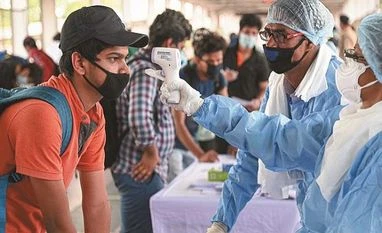
Virus spreading from offices to families: A report by the National Centre for Disease Control notes that contact tracing of Covid-19 cases in Delhi has been “very limited since the beginning” and says it needs to be “more rationalised”. The report is yet to be made public and has bee submitted the Delhi government. Further, the report points towards gaps in healthcare system leading to patients being brought dead to hospitals. It also notes that the patients being brought in dead in terms of proportion of total cases are 15 per cent in RML, 6.5 per cent in SJH and 44.6 per cent in Lady Hardinge. The number of contacts traced per positive case, according to the report is just 7-10. It also notes that the scaling up of Covid tests in the national capital has ‘not been specific’. Read more here

Medical tourism returns: The country saw 697,000 medical tourists last year, according to official numbers. While there is no data yet for 2020, by all estimates, the pandemic brought the medical tourism sector to a halt in mid-March. But now private hospitals have begun admitting emergency cases from abroad as restrictions are lifted. Patients coming in this time around have a lot more paperwork to fill including the need to apply for special permission to cut down the seven-day quarantine to two days. Strict Covid norms are followed to treat and admit these patients. Read more here

Poster outside houses to end: The practice of putting up home isolation posters outside houses of those who have tested positive for Covid will end in Delhi. The posters would identify the number of patients in the household who have contracted the virus. Further, existing posters will also be taken down. The move comes after it was noticed that several people, even those with symptoms, were not voluntarily coming forward to get tested fearing that a poster will be put up outside their homes. The move, an official says, has been taken to motivate people by taking away the stigma associated with the disease. The decision comes a week after the Delhi HC sought the state government’s response on a plea demanding officials to do away with the practice. Read more here

Durga Puja vs Covid: West Bengal is gearing up for its annual Durga Puja festival, sparking fears of a huge potential surge of Covid-19 cases. In September-end, a group of doctors had even urged the CM Mamata Banerjee to stop the festivities from taking place. Citing the example of Onam festivities in Kerala that led to a spike in cases in Kerala, experts are now worried about what can happen in West Bengal since the Puja is considered one of the biggest annual human gatherings in world. A week after announcing that festivities will be allowed with some riders in place, Banerjee acknowledged community spread of the virus in the state. Particularly concerning is the fact that the regions which see maximum footfall every year are also the ones witnessing huge spikes in cases. Read more here

Vaccine

Why October is key: A handful of coronavirus vaccine candidates near the end of late stage clinical trials this month. Further, two frontrunners — Pfizer and Moderna — are set to release their late-stage and Phase 2 results as well. While experts say the vaccine will be available by April 2021, firms have been far more ambitious with their estimates. In fact, Moderna is eyeing the emergency-use authorisation route to launch their vaccine by year-end. India, too, is in the race with two vaccines in phase II trials and the one by Oxford in phase III. October, therefore, could prove to be the crucial month as far as development of an effective vaccine against the pandemic goes and a clearer picture of the progress made so far is expected to emerge by the time November arrives. Read more here

One subscription. Two world-class reads.

Already subscribed? Log in

Subscribe to read the full story →
*Subscribe to Business Standard digital and get complimentary access to The New York Times

Smart Quarterly

₹900

3 Months

₹300/Month

SAVE 25%

Smart Essential

₹2,700

1 Year

₹225/Month

SAVE 46%
*Complimentary New York Times access for the 2nd year will be given after 12 months

Super Saver

₹3,900

2 Years

₹162/Month

Subscribe

Renews automatically, cancel anytime

Here’s what’s included in our digital subscription plans

Exclusive premium stories online

  • Over 30 premium stories daily, handpicked by our editors

Complimentary Access to The New York Times

  • News, Games, Cooking, Audio, Wirecutter & The Athletic

Business Standard Epaper

  • Digital replica of our daily newspaper — with options to read, save, and share

Curated Newsletters

  • Insights on markets, finance, politics, tech, and more delivered to your inbox

Market Analysis & Investment Insights

  • In-depth market analysis & insights with access to The Smart Investor

Archives

  • Repository of articles and publications dating back to 1997

Ad-free Reading

  • Uninterrupted reading experience with no advertisements

Seamless Access Across All Devices

  • Access Business Standard across devices — mobile, tablet, or PC, via web or app

Topics :CoronavirusLockdownCommunity TransmissionContainment ZoneContact TracingDharavi SlumCoronavirus TestsCoronavirus Vaccinemedical tourismDurga Puja

Next Story