
Navies of India, Thailand begin 3-day coordinated patrol in Andaman Sea
This comes against the backdrop of growing concern over China's increasing maritime presence in the Indian Ocean region.
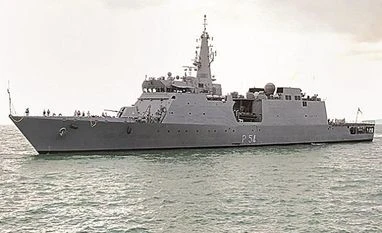 "Navies of India, Thailand begin 3-day coordinated patrol in Andaman Sea")
Explore Business Standard
This comes against the backdrop of growing concern over China's increasing maritime presence in the Indian Ocean region.
The Indian and Thai navies on Wednesday kicked off a three-day coordinated patrol in the Andaman Sea in the backdrop of growing concern over China's increasing maritime presence in the Indian Ocean region.
The Indian Navy's offshore patrol vessel INS Saryu and Thai ship Krabi along with Dornier maritime patrol aircraft from both navies are participating in the 31st edition of the India-Thailand coordinated patrol (CORPAT), officials said.
The two navies have been bi-annually undertaking CORPAT along their international maritime boundary line (IMBL) since 2005 with an aim to keep the vital part of the Indian Ocean safe and secure for global trade, Indian Navy Spokesperson Commander Vivek Madhwal said.
"The CORPAT builds up understanding and interoperability between navies and facilitates institution of measures to prevent and suppress unlawful activities like illegal unreported unregulated (IUU) fishing, drug trafficking, maritime terrorism, armed robbery and piracy," he said.
"It further helps enhance the operational synergy by exchange of information for prevention of smuggling, illegal immigration and for conduct of search and rescue operations at sea," he added.
In sync with the government's vision of SAGAR (Security And Growth for All in the Region), the Indian Navy has been proactively engaging with the countries in the Indian Ocean Region towards enhancing regional maritime security.
"The 31st Indo-Thai CORPAT will contribute towards Indian Navy's efforts to consolidate interoperability and forge strong bonds of friendship with Royal Thai Navy," Madhwal said.
The Indian Navy has been gradually expanding its presence in the Indian Ocean region in the last few years.
Notwithstanding the coronavirus pandemic, the Indian Navy participated in maritime exercises in the last few months with a number of countries.
In November last, India held the Malabar exercise. India invited Australia for the exercise effectively making it a drill by all the Quad member nations.
The Quad, comprising India, the US, Australia and Japan, is aimed at ensuring a free and open Indo-Pacific, a region that witnessed increasing Chinese military assertiveness in recent years.
China has been suspicious about the purpose of the Malabar exercise as it feels that the annual war game is an effort to contain its influence in the Indo-Pacific region.
(Only the headline and picture of this report may have been reworked by the Business Standard staff; the rest of the content is auto-generated from a syndicated feed.)
First Published: Jun 09 2021 | 2:50 PM IST

