
Preliminary data from animal study shows immune response for ZyCoV-D
ZyCoV-D can remain stable at 25 degrees Celsius for months
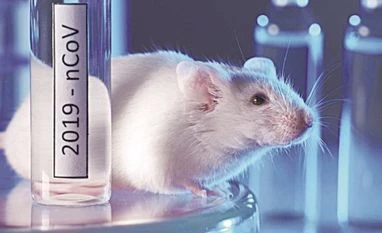 "Preliminary data from animal study shows immune response for ZyCoV-D")
premium
WebinarsNew
Deep DiveNew
Explore Business Standard
ZyCoV-D can remain stable at 25 degrees Celsius for months
Conventional vs DNA vaccine
Conventional active vaccines are made of a killed or weakened form of the infectious agent. DNA plasmid vaccine is a relatively new approach where a piece of DNA containing the genes for the antigens is injected. The body then learns to develop an immune response against the antigen, and when the actual pathogen attacks, the body is able to generate the specific antibodies against it.
DNA vaccines, Zydus claimed, have been shown to stimulate sustained immune responses.
Another advantage Zydus said was that the technology for producing the vaccine is very simple and rapid, and secondly the DNA molecule is stable, has a long shelf life, and does not require a strict cold chain for distribution.
Already subscribed? Log in
Subscribe to read the full story →

3 Months
₹300/Month
1 Year
₹225/Month
2 Years
₹162/Month
Renews automatically, cancel anytime

Premium stories handpicked daily by our editors


News, Games, Cooking, Audio, Wirecutter & The Athletic
Digital replica of our daily newspaper — with options to read, save, and share


Insights on markets, finance, politics, tech, and more delivered to your inbox
In-depth market analysis & insights with access to The Smart Investor


Repository of articles and publications dating back to 1997
Uninterrupted reading experience with no advertisements


Access Business Standard across devices — mobile, tablet, or PC, via web or app
First Published: Jan 27 2021 | 11:56 PM IST


 Connect with us on WhatsApp