Ransomware makes victim donate to poor, financial help to needy patients

The company warned that Goodwill ransomware could also result in temporary, and possibly permanent, loss of company data and a possible shutdown of company's operations and accompanied revenue loss

Ransomware attack, Cyber security
Once infected, the GoodWill ransomware worm encrypts documents, photos, videos, database, and other important files and renders them inaccessible without the decryption key.
Press Trust of India
2 min read Last Updated : May 23 2022 | 2:33 AM IST

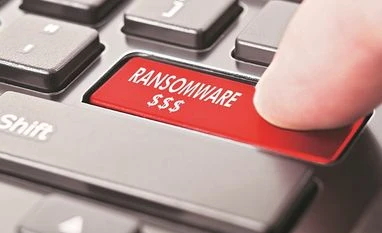
A new ransomware has been detected in India that makes victims donate new clothes to homeless, feed kids in branded pizza outlets and provide financial help to anyone who needs urgent medical attention but cannot afford it, according to digital risk monitoring firm Cloudsek.

The company warned that the Goodwill ransomware could also result in temporary, and possibly permanent, loss of company data and a possible shutdown of the company's operations and accompanied revenue loss.

"GoodWill ransomware was identified by CloudSEK researchers in March 2022. As the threat group's name suggests, the operators are allegedly interested in promoting social justice rather than conventional financial reasons," Clousek said in a report.

Once infected, the GoodWill ransomware worm encrypts documents, photos, videos, database, and other important files and renders them inaccessible without the decryption key.

"The actors suggest that victims perform three socially driven activities in exchange for the decryption key- donate new clothes to the homeless, record the action, and post it on social media, take five less fortunate children to Dominos Pizza Hut or KFC for a treat, take pictures and videos, and post them on social media and provide financial assistance to anyone who needs urgent medical attention but cannot afford it, at a nearby hospital, record audio, and share it with the operators," the report said.

Once all three activities are completed, the ransomware asks victims to write a note on social media (Facebook or Instagram) on "how you transformed yourself into a kind human being by becoming a victim of a ransomware called GoodWill."

Upon completing all three activities, the ransomware operators verify the media files shared by the victim and their posts on social media.

The actor will then share the complete decryption kit which includes the main decryption tool, password file and a video tutorial on how to recover all important files, the report said.

"Our researchers were able to trace the email address, provided by the ransomware group, back to an India-based IT security solutions & services company, that provides end-to-end managed security services," the report said.


One subscription. Two world-class reads.

Already subscribed? Log in

Subscribe to read the full story →
*Subscribe to Business Standard digital and get complimentary access to The New York Times

Smart Quarterly

₹900

3 Months

₹300/Month

SAVE 25%

Smart Essential

₹2,700

1 Year

₹225/Month

SAVE 46%
*Complimentary New York Times access for the 2nd year will be given after 12 months

Super Saver

₹3,900

2 Years

₹162/Month

Subscribe

Renews automatically, cancel anytime

Here’s what’s included in our digital subscription plans

Exclusive premium stories online

  • Over 30 premium stories daily, handpicked by our editors

Complimentary Access to The New York Times

  • News, Games, Cooking, Audio, Wirecutter & The Athletic

Business Standard Epaper

  • Digital replica of our daily newspaper — with options to read, save, and share

Curated Newsletters

  • Insights on markets, finance, politics, tech, and more delivered to your inbox

Market Analysis & Investment Insights

  • In-depth market analysis & insights with access to The Smart Investor

Archives

  • Repository of articles and publications dating back to 1997

Ad-free Reading

  • Uninterrupted reading experience with no advertisements

Seamless Access Across All Devices

  • Access Business Standard across devices — mobile, tablet, or PC, via web or app

Topics :ransomwareCloudSEK

Next Story




