
Smoke from wildfires destroys Ozone layer, reveals new study
Researchers cautioned that if major fires became more frequent with a changing climate, more damaging ultraviolet radiation from the sun will reach the ground.
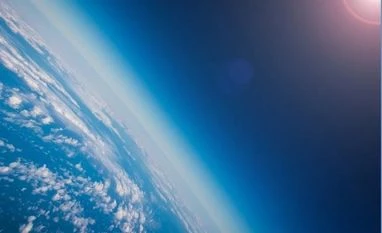 "Smoke from wildfires destroys Ozone layer, reveals new study")
WebinarsNew
Deep DiveNew
Explore Business Standard
Researchers cautioned that if major fires became more frequent with a changing climate, more damaging ultraviolet radiation from the sun will reach the ground.
A new study led by the University of Waterloo found that smoke from wildfires can destroy the ozone layer. Researchers cautioned that if major fires became more frequent with a changing climate, more damaging ultraviolet radiation from the sun will reach the ground.
The study was published in the journal, 'Science'.
The ozone shield is a part of the stratosphere layer of the Earth's atmosphere that absorbs UV rays from the sun.
The researchers used data from the Canadian Space Agency's Atmospheric Chemistry Experiment (ACE) satellite to measure the effects of smoke particles in the stratosphere.
"The Australian fires injected acidic smoke particles into the stratosphere, disrupting the chlorine, hydrogen and nitrogen chemistry that regulate ozone," said Peter Bernath, research professor in Waterloo's Department of Chemistry and lead author of this study.
"This is the first large measurement of the smoke, which shows it converting these ozone-regulating compounds into more reactive compounds that destroy ozone," he added.
Similar to the holes over Polar Regions, this damage is a temporary effect, and the ozone levels returned to pre-wildfire levels once the smoke disappeared from the stratosphere. But an increase in the prevalence of wildfires would mean the destruction happens more often.
"The ACE satellite is a unique mission with over 18 continuous years of data on atmospheric composition. ACE measures a large collection of molecules to give a better, more complete picture of what is happening in our atmosphere," Bernath said.
"Models can't reproduce atmospheric smoke chemistry yet, so our measurements provide a unique look at chemistry not seen before,' he concluded.
(Only the headline and picture of this report may have been reworked by the Business Standard staff; the rest of the content is auto-generated from a syndicated feed.)
First Published: Mar 18 2022 | 10:46 AM IST


 Connect with us on WhatsApp