Some severe Covid-19 patients may not develop lasting immunity, says study

According to the scientists, in people with severe Covid-19, one of most abundant cytokines released is called TNF
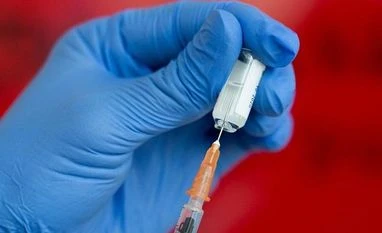
Coronavirus, vaccine
The researchers also gained insights from previous studies involving mouse models of other infections that induce cytokine storm. | Photo: Bloomberg
Press Trust of India Boston
3 min read Last Updated : Aug 20 2020 | 1:29 PM IST
High levels of a molecule seen in severe Covid-19 patients may prevent them from developing long-term immunity to the novel coronavirus, according to a study which says such individuals tended to make very few of a type of cells which produced antibodies against the virus.

Scientists, including those from Harvard University in the US, noted that the release of massive amounts of molecules involved in cell-cell signalling in the body called cytokines can lead to some of the most severe symptoms of Covid-19.

They said high levels of cytokines increased inflammation, and created a feedback loop in which immune cells produced more of these molecules in a process called a cytokine storm.

According to the study, published in the journal Cell, cytokine storms may prevent Covid-19 patients from developing long-term immunity since such individuals make very few of the type of B cells which produce antibodies.

"We've seen a lot of studies suggesting that immunity to Covid-19 is not durable because the antibodies decline over time. This study provides a mechanism that explains this lower-quality immune response," said study co-senior author Shiv Pillai from Harvard University.

In the study, the researchers assessed germinal centres, which are areas within the lymph nodes and spleens where B cells mature and start producing antibodies.

"When we looked at the lymph nodes and spleens of patients who died from Covid-19, including some who died very soon after getting the disease, we saw that these germinal center structures had not formed," said study co-senior author Robert Padera from Harvard University.

The researchers also gained insights from previous studies involving mouse models of other infections that induce cytokine storm.

According to the scientists, in people with severe Covid-19, one of most abundant cytokines released is called TNF.

In infected mice, they said TNF appeared to block the formation of germinal centers.

Based on earlier studies on cytokine storm, the researchers said mice given antibodies to block TNF or in those that had their TNF gene deleted, the germinal centers were able to form.

When they studied the lymph nodes of patients who had died of the disease, they found high levels of TNF in these organs.

The scientists believe TNF may be preventing the germinal centers from forming in people with Covid-19 as well.

"We even think this phenomenon occurs in some patients with Ebola, so it was not surprising to us," Pillai said.

When the researchers studied blood and lymphoid tissue from people with active infections at different stages of Covid-19, they found that although germinal centers were not formed in these patients, B cells were still activate, and could allow them to produce some neutralising antibodies against the virus.

"There is an immune response. It's just not coming from a germinal center," Padera said.

Without the germinal centers, the scientists said the immune system may not develop long-term memory to the virus.

Based on studies of other coronaviruses that cause colds, Pillai said people can get infected with the same coronavirus three or four times in the same year.

Despite their findings, the researchers still believe a successful Covid-19 vaccine can be developed as it should not cause high levels of cytokines to be released.

One subscription. Two world-class reads.

Already subscribed? Log in

Subscribe to read the full story →
*Subscribe to Business Standard digital and get complimentary access to The New York Times

Smart Quarterly

₹900

3 Months

₹300/Month

SAVE 25%

Smart Essential

₹2,700

1 Year

₹225/Month

SAVE 46%
*Complimentary New York Times access for the 2nd year will be given after 12 months

Super Saver

₹3,900

2 Years

₹162/Month

Subscribe

Renews automatically, cancel anytime

Here’s what’s included in our digital subscription plans

Exclusive premium stories online

  • Over 30 premium stories daily, handpicked by our editors

Complimentary Access to The New York Times

  • News, Games, Cooking, Audio, Wirecutter & The Athletic

Business Standard Epaper

  • Digital replica of our daily newspaper — with options to read, save, and share

Curated Newsletters

  • Insights on markets, finance, politics, tech, and more delivered to your inbox

Market Analysis & Investment Insights

  • In-depth market analysis & insights with access to The Smart Investor

Archives

  • Repository of articles and publications dating back to 1997

Ad-free Reading

  • Uninterrupted reading experience with no advertisements

Seamless Access Across All Devices

  • Access Business Standard across devices — mobile, tablet, or PC, via web or app

Topics :CoronavirusImmunityimmune systemsScientists

Next Story



