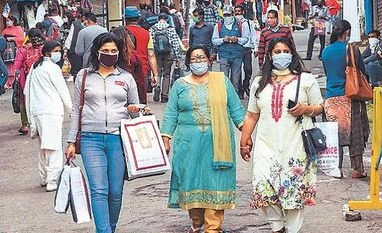
As brands look to salvage sales in the festive season, two out of three consumers are showing a positive buying sentiment for Diwali this year, according to a survey by brand insights firm TRA Research.
The intent of the 65 per cent need not fully translate into shopping, but the study — TRA’s Diwali 2020 Buying Propensity Report — hinted at categories that could be worth investing in, with targeted advertising. Twenty-eight per cent respondents shared a neutral buying sentiment, compared to June, whereas 7 per cent felt it would worsen, according to the study. The buying propensity index reflects an individual’s need-based and desire-based buying.
A recovery in household expenditure is likely to cheer up brands. After a fall in expenditure by 12.3 per cent from February to mid-June, the recovery is projected to record a net gain of 6.8 per cent in spends until Diwali.
A comparison of consumer household spends between the Diwali of 2019 and 2020 shows this year is likely to see a dip in expenses by 5.1 per cent, the report said.
Diwali will be the true test after a pandemic-battered summer season, which is typically when categories such as consumer electronics or food and dairy surge 40 per cent, said N Chandramouli, who heads TRA Research. Diwali sales roughly register another 30 per cent.
One category that is set to reap in Diwali sales is apparel, which will record 3.11 times the average of other categories, the survey observed.
A graph on the matrix of buying propensity and planned purchases showed that mobile phones, consumer electronics and two-wheelers were in the very high-priority list; home furniture, jewellery and TV formed the high-priority category; laptops, kitchen appliances, cars and personal accessories were in the medium priority band; and home renovation, health insurance and travel fell in the low-priority bracket.
With stay-at-home as the new normal, home wear has gained significance. But people are tiring of the sameness and desperately seeking variety, Chandramouli added. So, a low-investment item like apparel is sure to do well in Diwali.

 "65% buyers will spend big this Diwali, shows TRA Research survey")









