
Aluminium firms draw costly power from grid, hurting utilities low on coal
A crippling shortage across the country has pushed state-run Coal India to impose temporary supply curbs to non-power consumers
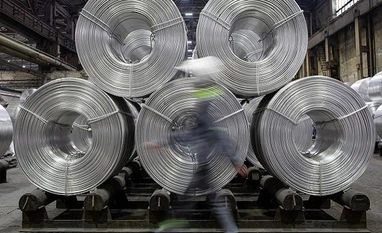 "Aluminium firms draw costly power from grid, hurting utilities low on coal")
WebinarsNew
Deep DiveNew
Explore Business Standard
A crippling shortage across the country has pushed state-run Coal India to impose temporary supply curbs to non-power consumers
India's aluminium producers are drawing expensive power from the national grid and adding to pressure on utilities with low coal stock, the Aluminium Association of India (AAI) told Reuters on Tuesday, as state-run Coal India has curbed supplies.
A crippling shortage across the country has pushed state-run Coal India to impose temporary supply curbs to non-power consumers, including the energy-intensive aluminium industry, pushing producers to draw electricity from the grid.
Indian aluminium producers such as Hindalco Industries Ltd and Vedanta Ltd largely use power generated from the so-called captive utilities - which are not connected to the national grid - where the companies generate electricity for self-use.
AAI estimates aluminium production to annually account for 5-6% of India's total power demand met through the national grid.
"Since we are going to the (national) grid, that increases power demand in the country and puts further pressure on coal plants which already have low fuel," AAI told Reuters in a statement.
Electricity use in India's eastern Odisha state, which accounts for over half of India's aluminium smelting capacity, rose 25% during the first half of October, government data showed, growing over five times faster than national average.
Aluminium producers says fuel procurement challenges were being exacerbated by Coal India's decision last week to cancel auctions and curtail supplies under long-term contracts.
"Under long-term fuel supply agreements, we were getting full supplies in June, in September that reduced to 60% and in October we are getting as low as 50%," AAI said.
Long-term fuel supply agreements with Coal India have historically accounted for a majority of domestic supplies to the industry, with auctions conducted by the miner accounting for the rest.
However, Coal India denying extension to five-year agreements with non-power consumers which ended this year, and some aluminium companies cancelling long-term agreements last year have increased dependence on auctions, AAI said.
The AAI said some companies cancelled long-term contracts as coal was available for lower prices last year when coronavirus cases were high.
"We are desperate for coal. Sustaining operations will now depend on how Coal India reacts in the next ten days," AAI said.
(Reporting by Sudarshan Varadhan; Editing by Bernadette Baum)
(Only the headline and picture of this report may have been reworked by the Business Standard staff; the rest of the content is auto-generated from a syndicated feed.)
First Published: Oct 19 2021 | 4:58 PM IST

