Home / Economy / News / Amid Covid-19 pandemic, exports could come as a saviour for India
Amid Covid-19 pandemic, exports could come as a saviour for India
The global trading environment is very encouraging, as developed countries have increased the pace of vaccination and are reporting lesser numbers of infections
3 min read Last Updated : Apr 25 2021 | 11:57 PM IST
The alarming rise in Covid-19 infections in recent weeks and partial lockdowns and restrictions in many parts of the country have increased uncertainty regarding the pace of economic revival.
Given the strong possibility of modest-to-severe disruptions in domestic supply chains and contraction in domestic demand, the best hope for posting reasonable economic growth comes from improved export prospects.
Last week, the Prime Minister spoke about the enormity of the challenges the country faces in the health sector and assured the people that necessary steps will be taken to cope with the crisis. He said that total lockdowns should be the last resort. Despite his assurances, worries persist regarding the ability of the administration to manage the situation. Surely, significant resources will have to be diverted to address the health emergency, and to that extent, the funds for economic development will be constrained.
The global trading environment, however, is very encouraging. Developed countries have increased the pace of vaccinations and are reporting lesser numbers of infections, hospitalisation and Covid-related deaths. They are relaxing the restrictions on economic activity at a faster rate than expected. The United States is in the cusp of a booming economy and China has already posted a robust economic recovery. Most countries in East Asia and West Europe have shown strong economic recovery.
So, the global demand for consumer goods, intermediates and commodities is growing at a fast pace, as their rise in prices show. Most exporters are flushed with orders.
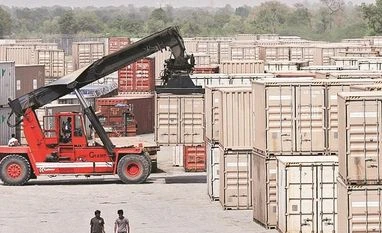
The freight rates have gone up across the board for road, air and sea transportation of goods. The demand-supply mismatches in transportation services and container shortages persist. It takes over a week to get containers and over two weeks to get shipping space. However, exporters and logistic service providers have learnt to plan better and minimise the scope for disruptions. Most exporters have managed to renegotiate with buyers and get better prices that take into consideration the higher logistics costs. However, the exporters of low-value items find that buyers abroad increasingly prefer geographically-closer alternative sources at higher prices and lower transportation costs.
The recent depreciation of the rupee vis-à-vis the dollar by about 3 per cent has helped exporters. Productivity gains due to increased adoption of information technology, lower interest rates, easier availability of credit and various cost-cutting initiatives have helped exporters.
The government can facilitate exports by releasing the legitimate dues of exporters quickly. Last year, the government disenabled the facility of filing the applications under the Merchandise Exports from India Scheme (MEIS) for exports made in 2019-20 and 2020-21. Earlier this month, the government allowed MEIS applications to be filed for exports made in 2019-20. The government should immediately allow exporters to file MEIS applications for exports made in 2020-21 also. The government should swiftly finalise the rates under the Refund of Duties and Taxes on Export Products (RoDTEP) scheme and notify the scheme.
Last month, merchandise exports increased to $34.5 billion, a rise of about 60 per cent over exports during March 2020, with 28 of the 30 sectors showing impressive growth. This growth momentum needs to be sustained to counter the effects of a possible domestic demand contraction.

 "Amid Covid-19 pandemic, exports could come as a saviour for India")











