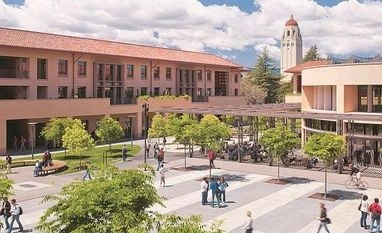
This is the situation in which a large number of recent and would be entrepreneurs around the world and in India find themselves. It is keeping this lot in mind — suddenly left to cope with a new reality — that Stanford’s Stanford Graduate School of Business (GSB) is launching “Stanford Rebuild”, launched earlier this month on June 22. Reams have already been written about the long road to recovery post the pandemic but here’s some free assistance to help plans gone awry and even more to those who want to seize into a new opportunity.
The Stanford GSB typically admits about 415-420 students every year with roughly 40 per cent being international students. Many GSB students become entrepreneurs while they are students, thanks to courses within the Center for Social Innovation, such as Startup Garage. 15 per cent of the 2019 MBA class students launched their own ventures while in school, of which, 40 per cent were women. Over 130 successful companies have been founded by alumni through this course, with over $2.5 billion in funds raised. According to the head of faculty director, Stefano Zenios, some of the successful examples that stemmed from class projects include DoorDash, a meal delivery service that launched in 2013, and Going Merry, an organisation that launched in 2017 and matches students with potential financial aid opportunities.
Stanford Rebuild has been designed keeping four themes in mind: reimagining organisations, reinvigorating human well being, revitalising the workforce and reinforcing heath care systems. For instance reimagining organisations can look at how higher education can adapt and change in light of the new experience with onllne learning or how businesses that require close contact such as salons may survive in times of social distancing. Similarly, participants can explore subjects like how we might increase the capacity of the system to leverage telemedicine and deliver care without direct contact.
Recognising the fallout for mental health, the programme will explore the physical and emotional impact of social distancing on the youth and how to enhance a person’s sense of social connection as their lives are more digitised and distanced. The programme will also explore how one can enable organisations to better manage a remote workforce and in particular how to make it enjoyable. Similarly, entrepreneurs who may want to more effectively hire, onboard and train remote workers will be assisted by a range of experts offering concrete solutions.
The GSB is hoping that the programme will draw in company leaders and entrepreneurs from around the world so that some of the best ideas can take shape and be put to use for greater good. Of course, the fact that the offering is free — like many other initiatives emerging from the global crisis — should help.
One subscription. Two world-class reads.
Already subscribed? Log in
Subscribe to read the full story →
Smart Quarterly
₹900
3 Months
₹300/Month
Smart Essential
₹2,700
1 Year
₹225/Month
Super Saver
₹3,900
2 Years
₹162/Month
Renews automatically, cancel anytime
Here’s what’s included in our digital subscription plans
Exclusive premium stories online
Over 30 premium stories daily, handpicked by our editors


Complimentary Access to The New York Times
News, Games, Cooking, Audio, Wirecutter & The Athletic
Business Standard Epaper
Digital replica of our daily newspaper — with options to read, save, and share


Curated Newsletters
Insights on markets, finance, politics, tech, and more delivered to your inbox
Market Analysis & Investment Insights
In-depth market analysis & insights with access to The Smart Investor


Archives
Repository of articles and publications dating back to 1997
Ad-free Reading
Uninterrupted reading experience with no advertisements


Seamless Access Across All Devices
Access Business Standard across devices — mobile, tablet, or PC, via web or app
)